

Loading cart...
 My Account
 Track Order
 Sports Guide
-
Price Range
-
Brands
-
Stock Status
-30%
₹4,990 ₹3,490
-30%
₹4,290 ₹2,995
-40%
₹3,590 ₹2,150
-36%
₹2,720 ₹1,750
-52%
₹4,490 ₹2,150
-47%
₹1,399 ₹745
-37%
₹4,350 ₹2,750
-40%
₹3,580 ₹2,150
-36%
₹3,000 ₹1,930
-45%
₹1,990 ₹1,090
-44%
₹5,980 ₹3,350
-31%
₹4,360 ₹2,999
-34%
₹3,760 ₹2,495
-56%
₹11,580 ₹5,100
-27%
-44%
₹1,299 ₹725
-42%
₹5,600 ₹3,245
-35%
-30%
₹10,080 ₹7,020
-33%
₹135,000 ₹90,950
-34%
₹150,000 ₹99,500
-34%
₹108,000 ₹71,250
-33%
₹51,840 ₹34,620
-35%
₹40,680 ₹26,400
-29%
₹1,680 ₹1,195
-34%
₹72,000 ₹47,800
-35%
₹20,340 ₹13,250
-32%
-34%
₹6,780 ₹4,450
-35%
₹13,560 ₹8,850
-32%
₹64,800 ₹44,100
-32%
₹54,000 ₹36,790
-33%
₹25,920 ₹17,340
-33%
₹8,640 ₹5,795
-34%
₹60,000 ₹39,800
-31%
₹16,800 ₹11,650
-33%
₹36,000 ₹23,950
-33%
₹12,000 ₹8,050
-32%
₹10,800 ₹7,395
-33%
₹4,320 ₹2,895
-33%
₹6,000 ₹4,050
-31%
₹5,400 ₹3,725
-21%
-42%
₹1,052 ₹615
-29%
-27%
₹1,680 ₹1,225
-34%
₹3,390 ₹2,250
Sold out
-43%
Sold out
-46%
₹3,500 ₹1,895
Sold out
-28%
₹1,650 ₹1,185
Sold out
-38%
Sold out
-34%
Sold out
-49%
Sold out
-37%
₹2,100 ₹1,325
Sold out
-41%
₹19,794 ₹11,775
Sold out
-37%
₹7,680 ₹4,850
Sold out
-58%
Sold out
-37%
₹6,598 ₹4,125
Sold out
-35%
₹3,299 ₹2,150
Sold out
-26%
₹4,000 ₹2,945
Sold out
-27%
₹5,000 ₹3,645
Sold out
-58%
Sold out
-20%
₹2,500 ₹1,995
Sold out
-32%
₹1,650 ₹1,125
Sold out
-36%
₹3,580 ₹2,299
Sold out
-32%
₹2,190 ₹1,495
Sold out
-32%
₹1,790 ₹1,225
Sold out
-50%
₹1,200 ₹595
Sold out
-37%
₹9,300 ₹5,890
Sold out
-45%
₹1,650 ₹910
Sold out
-28%
Sold out
-40%
₹4,490 ₹2,700
Sold out
-26%
Sold out
-54%
Sold out
-20%
₹4,120 ₹3,299
Sold out
-40%
₹74,475 ₹44,375
Sold out
-47%
Sold out
-56%
₹1,299 ₹575
Sold out
-41%
₹2,850 ₹1,675
Sold out
-33%
Sold out
-40%
₹29,790 ₹17,945
Sold out
-55%
₹7,740 ₹3,449
Sold out
-35%
₹13,800 ₹8,945
Sold out
-38%
Sold out
-28%
₹28,680 ₹20,695
Sold out
-56%
₹15,480 ₹6,799
Sold out
-49%
₹18,960 ₹9,599
Sold out
-53%
Sold out
-40%
₹2,979 ₹1,795
Sold out
-31%
₹10,500 ₹7,297
Sold out
-44%
₹21,480 ₹11,990
Sold out
-44%
₹5,780 ₹3,250
Sold out
-30%
₹2,980 ₹2,090
Sold out
-55%
₹2,790 ₹1,250
Sold out
-28%
₹4,980 ₹3,595
Sold out
-32%
₹24,900 ₹16,945
Sold out
-30%
₹9,960 ₹6,999
Sold out
-55%
₹23,840 ₹10,650
Sold out
-30%
₹13,900 ₹9,799
Sold out
-55%
₹11,920 ₹5,390
How to choose a badminton shuttlecock
Three decisions matter: feather or nylon, the speed grade, and the brand. Get all three right for your conditions and a shuttle you bought for ₹600 will outperform a ₹2,000 tube used in the wrong setting. We have covered the deep technical comparison in our feather vs nylon shuttlecock guide. This page is the working buyer's reference. If you call it a shuttle or a badminton cork rather than a shuttlecock, it is the same thing.
Feather shuttlecocks
Made from 16 overlapping goose or duck feathers set into a cork base. Better flight, more spin, sharper sound, more control on net shots. The downside is durability. A single feather shuttle lasts one or two games at club level, sometimes less if you smash hard. They are also sensitive to humidity. Buy feather if you play indoors on a wooden or synthetic court, play at club level or above, and do not mind the per-game cost.
Nylon shuttlecocks
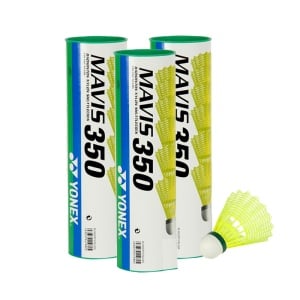
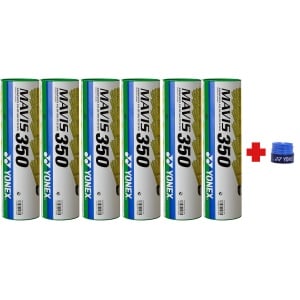
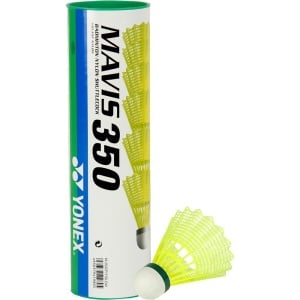
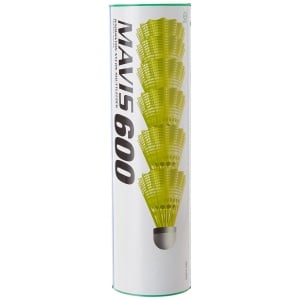
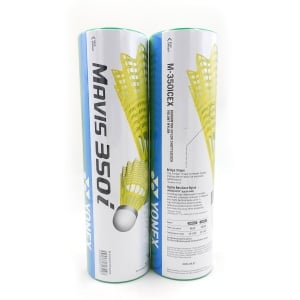
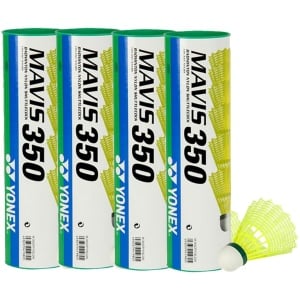
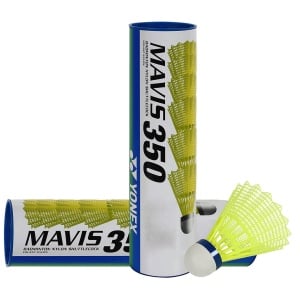
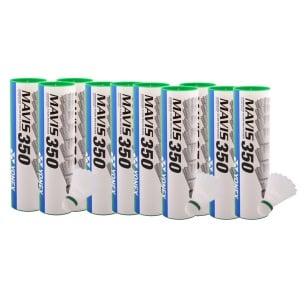
Plastic skirt over a cork or composite base. Roughly four to five times more durable than feather, a fraction of the price per game, and far more forgiving in wind. Flight is flatter and feel is duller, but modern nylon shuttles like the Yonex Mavis 350 have closed most of the gap. Buy nylon for outdoor play, school and college courts, beginner practice, or any situation where you would rather play more games than feel every shot.
Hybrid shuttlecocks
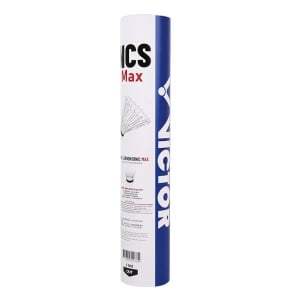
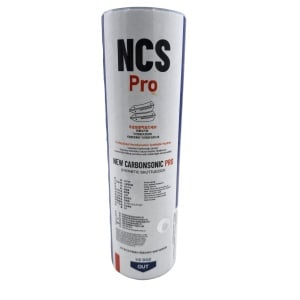
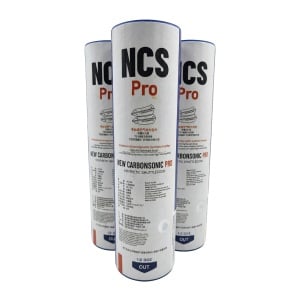
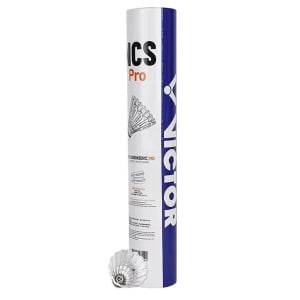
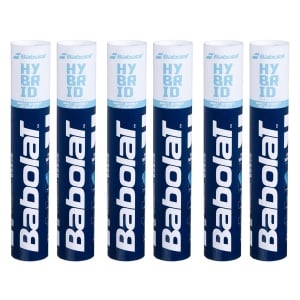
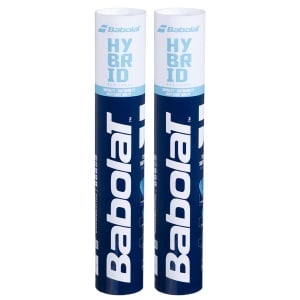
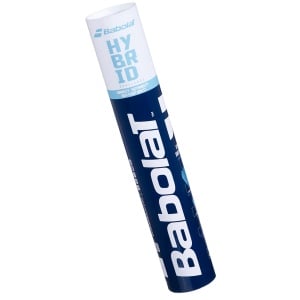
A newer category, using a synthetic skirt engineered to fly closer to feather while lasting closer to nylon. The Victor NCS Max is the hybrid we stock and the one worth trying if you are a club player tired of feather shuttles breaking in two games. It costs roughly the same as a mid-range feather tube but survives far longer.
Pick the right speed for your weather
Shuttle speed is graded from 75 to 79. Lower number means a slower, lighter shuttle. The rule is counter-intuitive but simple: hotter, thinner air makes shuttles fly further naturally, so you pick a slower shuttle to compensate. Cold, dense air slows the shuttle down, so you pick a faster grade to compensate.
- Speed 75: high-altitude play (Shimla, Manali, Dehradun in summer)
- Speed 76: hot Indian summer at sea level (April to September across most cities)
- Speed 77: the all-rounder. Works in most Indian cities for most of the year. If you are not sure, buy this.
- Speed 78: cool weather, late autumn and winter in north India
- Speed 79: cold-weather play (Kashmir winters, indoor halls heavily air-conditioned to low temperatures)
If your shuttles are flying past the back boundary, drop one speed grade. If they are falling short of the back service line, go up one. The right speed feels like the shuttle sits in the rallies instead of running through them.
Not sure which speed to buy for your city and the time of year? Use our shuttlecock speed selector, pick your location and current conditions, and get a recommendation in one tap.
Which pack size should you buy
Shuttles are sold by the tube, and a tube holds 12 shuttles. We stock most models in packs of 2, 4, 6, 10, 12 and 25 tubes, because the per-tube price drops steadily as the pack gets bigger.
- Single tube: trying a new model before committing, or casual play a few times a month.
- Pack of 2 to 4: the sensible default for one regular club player. Roughly a month of twice-weekly doubles.
- Pack of 6 to 12: a group that plays together, or a player who goes through feather shuttles quickly.
- Pack of 25: academies, clubs and coaching centres buying a season's supply. This is where the per-tube price is lowest.
Feather shuttles do not improve with storage, so buy the pack size you will use within a few months rather than the biggest one available.
Best shuttlecocks by use case
For tournament and league play
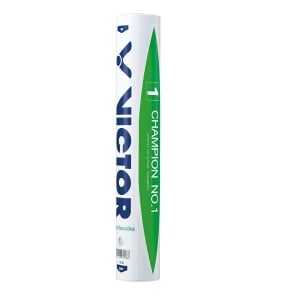
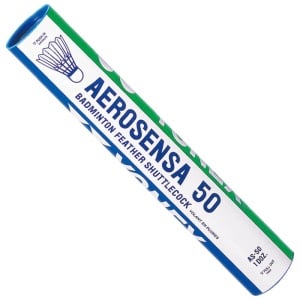
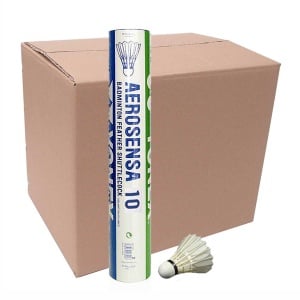
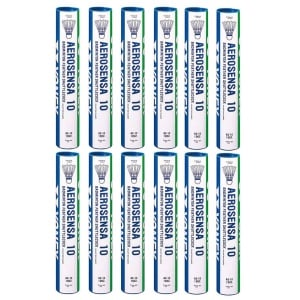
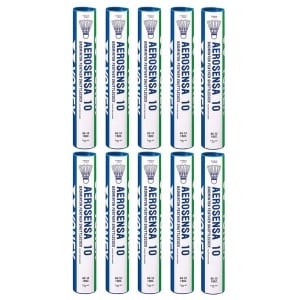
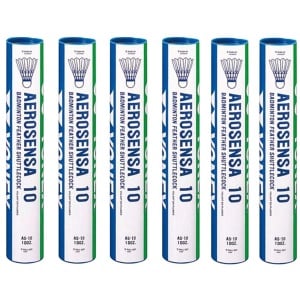
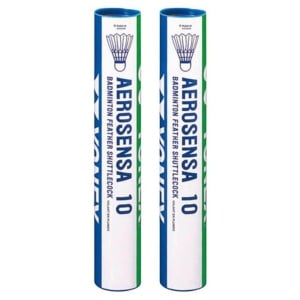
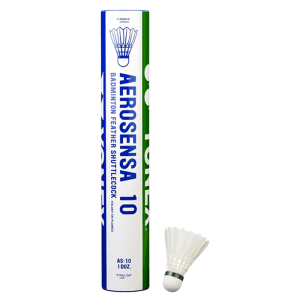
Yonex Aerosensa 10 is the top feather shuttle we stock, and the one to buy when flight consistency across a long match matters more than cost per game. The Victor Champion No 1 is the closest alternative at a lower price per tube.
For club matches
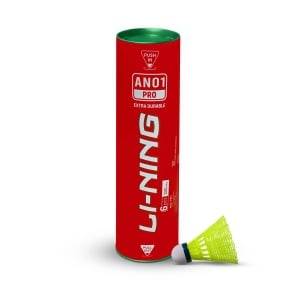
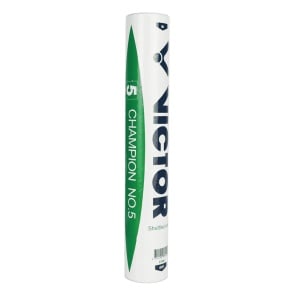
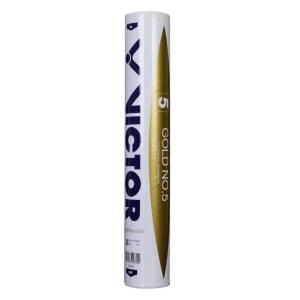
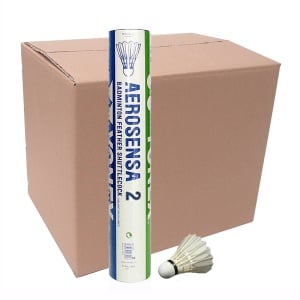
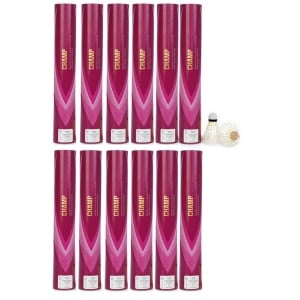
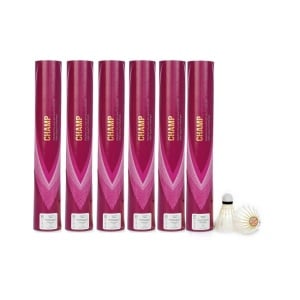
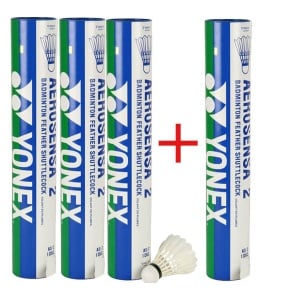
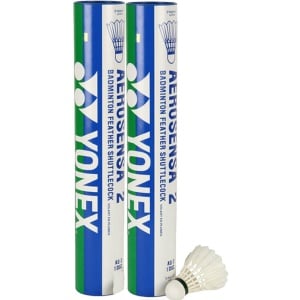
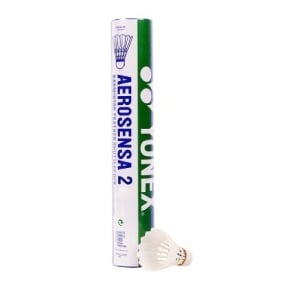
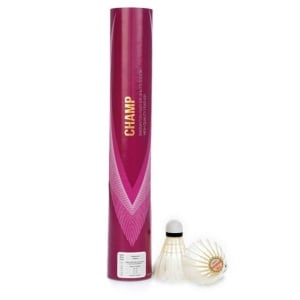
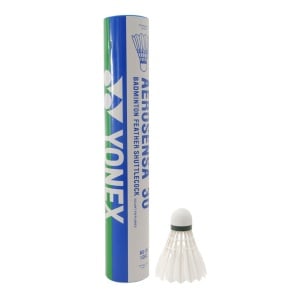
Yonex Aerosensa 2 is the most-played club shuttle in India. Accurate flight, dependable batch-to-batch consistency, and cheaper than the Aerosensa 10. Most weekend club games anywhere from Pune to Patna are played on AS-2. The Victor Champion No 5 and Victor Gold No 5 cover the same tier if you want to spend less, and the Li-Ning Champ is the value option at this level.
For practice and training
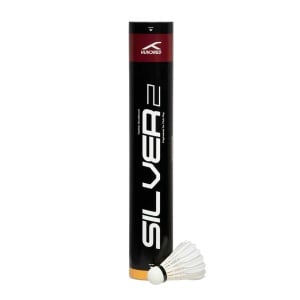
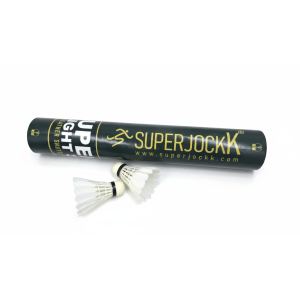
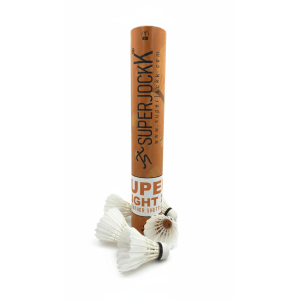
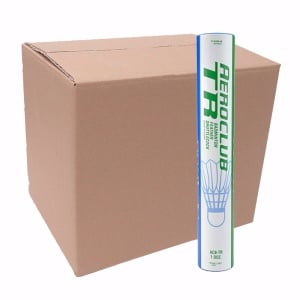
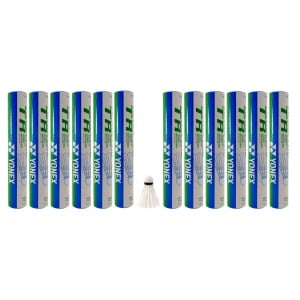
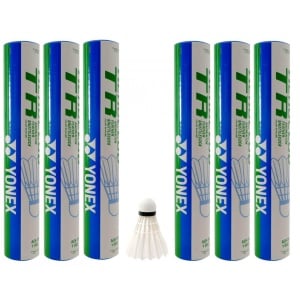
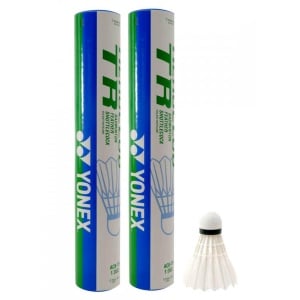
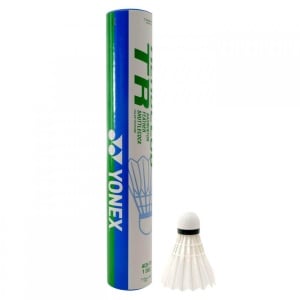
Yonex Aeroclub TR is built specifically for training, with a composite cork base durable enough for repetitive drills. It costs noticeably less than match shuttles and lasts longer per game, which matters when an academy goes through dozens of shuttles a week. The Superjockk Super Flight 30 (goose feather) and Super Flight 20 (duck feather) are the budget alternatives, and the Hundred Silver 2 sits between the two.
For outdoor and casual play
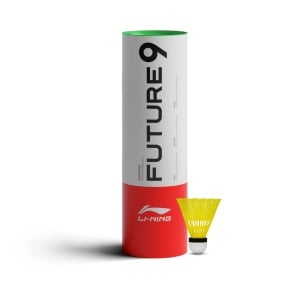
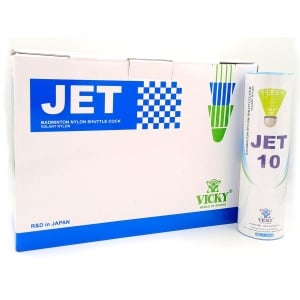
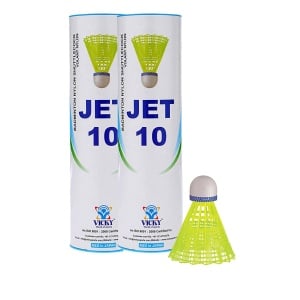
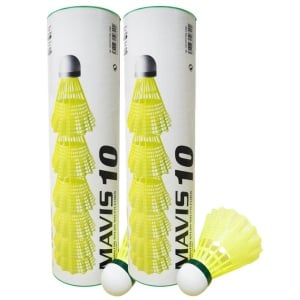
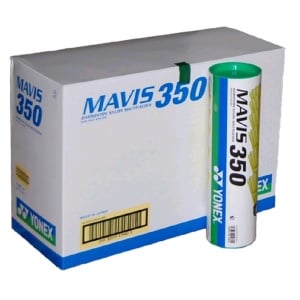
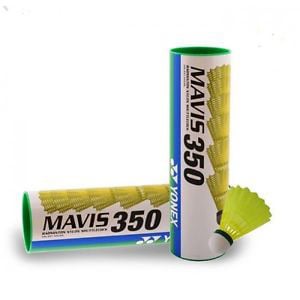
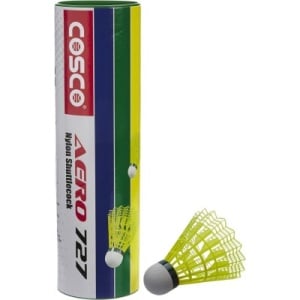
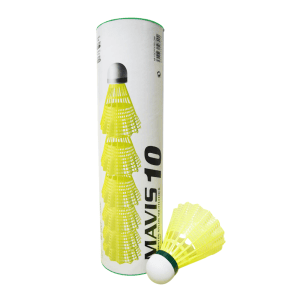
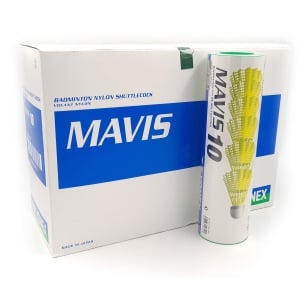
Yonex Mavis 350 is the global benchmark for nylon shuttles and the one most clubs default to for outdoor sessions. The Yonex Mavis 10 is the cheaper Yonex option, and the Li-Ning Future 9, Vicky Jet 10 and Cosco Aero 727 are the value picks for terrace, backyard and school-court games.
Brand notes
Yonex
Yonex dominates this category at every level. The Aerosensa series for matches, the Aeroclub series for training, the Mavis series for nylon. Official supplier to BWF events, the All England, and the Olympics. Counterfeit Yonex shuttles are a real problem in the Indian market, and the cheap ₹500 Yonex tubes sold in roadside sports shops are rarely genuine. We source through authorised distributors only.
Victor
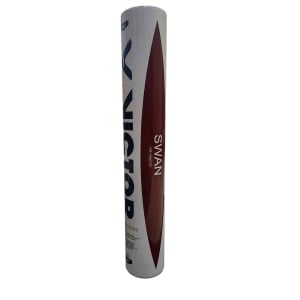
Victor is the strongest alternative to Yonex on feather. The Champion No 1 and Champion No 5 are the match shuttles, the Gold No 5 and Swan sit below them, and the NCS Max is Victor's hybrid, which has genuine durability advantages over standard nylon.
Li-Ning
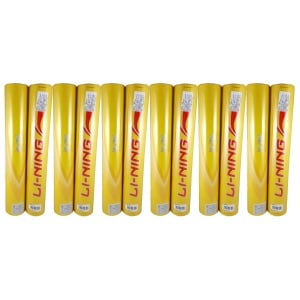
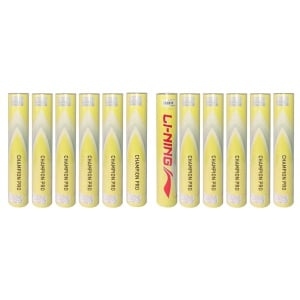
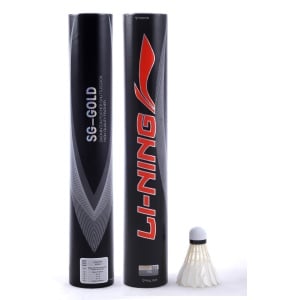
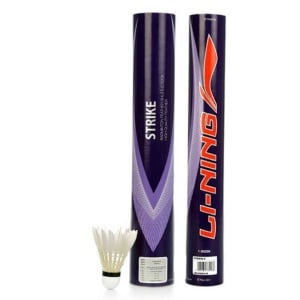
Li-Ning shuttles offer a cheaper route into feather. The Champ is a competent club and practice shuttle at well under Aerosensa money, and the Future 9 is their nylon option.
Hundred and Superjockk
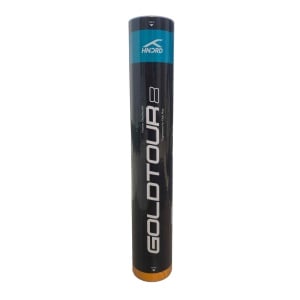
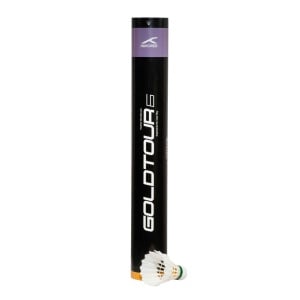
Two Indian-led brands worth a look. The Hundred GoldTour 8 and GoldTour 6 are competitive feather shuttles at lower price points than the imported equivalents, with the Silver 2 below them. Superjockk Super Flight 30 uses goose feather and Super Flight 20 uses duck, and both are honest value at the budget end of feather.
Cosco and Vicky
Both Indian brands making dependable nylon shuttles for school, college and casual play. The Cosco Aero 727 and Vicky Jet 10 are the cheapest usable shuttles we stock and the right answer for a group that just wants to play.
Common questions
Which shuttle speed should I use in India?
Speed 77 for most cities most of the year. Speed 76 if you are playing in peak summer heat, which means April to June in north India and much of the year in coastal cities. Speed 78 in winter or in heavily air-conditioned indoor halls. Speed 75 only at high altitude. Most clubs in Delhi, Bangalore, Mumbai and Hyderabad default to 77 and adjust seasonally. For a recommendation tailored to your city and current weather, our shuttlecock speed selector takes 10 seconds.
How many shuttles do I need for one match?
Plan for 6 to 12 feather shuttles per two-hour singles session at club level. Hard hitters go through more. A tube of 12 typically lasts one full doubles session if everyone is playing carefully, or half a session at competitive intensity. Nylon shuttles last several sessions per shuttle.
Why do my feather shuttles break so quickly?
Three common reasons. First, dry storage, because feathers become brittle in air-conditioning or low humidity. Store the tube with a slightly damp cloth wrapped around it the night before play, or use a humidifier cap. Second, frame contact, because hitting the cork off-centre damages the shuttle structurally on every shot. Third, low-quality feathers, since cheaper shuttles often use mixed-grade feathers that crack under hard smashes.
Can I play outdoors with feather shuttles?
You can, but you should not. Even light wind ruins the flight of a feather shuttle, and the feathers absorb moisture from grass or damp courts. Use the Yonex Mavis 350 outdoors, or a Cosco or Vicky nylon shuttle if there is any real breeze.
How do I know the shuttle is original?
Yonex tubes carry a hologram on the seal and a printed serial format on the cap. Counterfeit Yonex shuttles often have slightly off-colour packaging, misprinted speed numbers, or feathers of inconsistent length and curvature. If you receive a tube where the seal looks tampered with, send us a photo and we will replace it. We have been selling shuttles since 2016 and source from authorised distributors only.
What is the cheapest decent badminton shuttle?
For nylon, the Cosco Aero 727 and Vicky Jet 10 start from around ₹600 a tube and are genuinely usable for casual play. For feather, the Superjockk Super Flight 20 and Hundred Silver 2 are the cheapest options we would actually stand behind. Anything below this on the open market is either no-brand or counterfeit, and the durability and flight will reflect that.
Do you ship shuttles outside India?
Yes, but feather shuttles are sometimes restricted by customs in certain countries under agricultural and poultry import rules. Email us before ordering with your destination country and we will confirm whether feather can ship there or whether you need to switch to nylon.