

Loading cart...
 My Account
 Track Order
 Sports Guide
-
Price Range
-
Brands
-
Stock Status
-27%


₹18,490 ₹13,450
-27%


₹14,990 ₹10,990
-27%


₹16,990 ₹12,450
-64%
₹5,490 ₹1,999
-30%
-34%
₹16,990 ₹11,250
-32%
₹7,690 ₹5,250
-30%
₹12,790 ₹8,895
-30%
₹16,890 ₹11,845
-31%
₹15,790 ₹10,945
-39%

₹9,750 ₹5,995
-32%
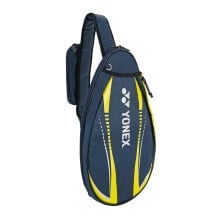


₹2,575 ₹1,745
-28%


₹3,290 ₹2,375
-25%
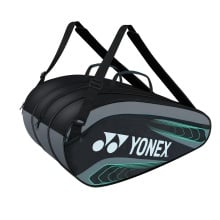


₹4,599 ₹3,445
-24%


₹3,699 ₹2,795
-25%


₹4,599 ₹3,445
-25%


₹4,599 ₹3,445
-24%


₹3,699 ₹2,795
-24%


₹3,699 ₹2,795
-30%
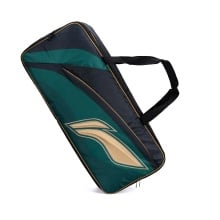


₹3,990 ₹2,795
-36%
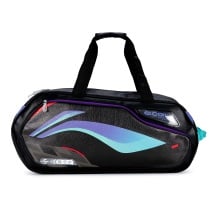

₹18,990 ₹12,225
-27%
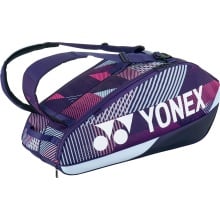


₹11,590 ₹8,445
-30%
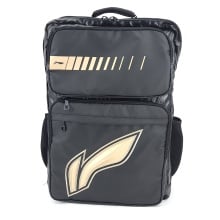


₹3,590 ₹2,525
-26%


₹8,890 ₹6,545
-30%


₹7,990 ₹5,575
-21%

₹2,990 ₹2,375
-33%

₹1,090 ₹725
-43%

₹1,990 ₹1,140
How to choose a badminton kit bag
Three things decide whether a bag is right for you: how many rackets you carry, what type of player you are, and whether you need thermal lining. The price tag matters less than people think — a ₹1,500 bag that fits your routine beats a ₹5,000 bag built for a different one.
By the number of rackets you carry
- 1–2 rackets: A backpack or slim 2-zip kit bag. The Yonex SUNR series and Li-Ning entry kit bags do this well. Compact, fits a 1-litre water bottle and your shoes, easy on a scooter or in a metro.
- 3–6 rackets: A standard 2-compartment kit bag. This is what most club players carry. Two thermal-lined racket compartments, separate shoe pocket, accessories pocket. Yonex BT6 and Li-Ning ABDU series sit in this segment.
- 6–9 rackets: A 3-compartment tournament bag. Built for serious players who carry spare rackets for tension differences and string types. Yonex BT9 series, Li-Ning ABJU, Victor BR9213. Heavier and bulkier — not for casual use.
- Wheeled bags: For players who travel between cities for tournaments. Wheelie bags from Yonex Pro Tour and Li-Ning's premium range carry full kit plus clothing. Overkill for weekly club play.
By bag type
Backpack: The fastest-growing segment in India. Suits commuters, college players, anyone who moves on a two-wheeler. Carries 1–2 rackets in a vertical sleeve plus a small accessories pocket. Yonex Active Backpack and Li-Ning ABSL series are the most-bought options.
Square / 2-zip kit bag: The Indian club default. Two horizontal compartments, room for 3–6 rackets, side pocket for shoes. The bag you'll see at any weekend morning club session.
Tournament / 3-zip bag: Three compartments instead of two. The third compartment is usually the shoe pocket, which means cleaner separation between sweaty kit and clean clothes. Yonex Pro Series and Li-Ning Tournament are the references here.
Wheelie / duffle: For travel. Two wheels, a pull handle, and capacity for a week of clothes plus your full racket kit. Specialist purchase.
Thermal lining (and when you actually need it)
Thermal lining is a foil-coated layer inside the racket compartment that insulates against heat. Why this matters: car boots in Indian summers can hit 60°C, and that heat softens racket frames and accelerates string tension loss. A good thermal compartment keeps the racket compartment 10–15°C cooler than ambient.
You need thermal lining if: you leave your bag in a parked car for hours, you travel between cities, or you string at 26 lbs and above (where tension drop is more noticeable). You can skip it if you only carry the bag from home to court and back, in air-conditioned transport, with one ₹2,000 racket. For everyone else, it's worth the extra ₹500–₹1,500.
Best kit bag by use case
For commuting and casual play
Yonex Active Backpack series, Li-Ning ABSL122 backpack, Hundred Idol backpack. All under ₹2,000, all carry 1–2 rackets, all easy to wear on a bike or in a metro. The Hundred range is the cheapest of the three and competitive on quality.
For club and weekend matches
Yonex SUNR series and BT6 (2-zip thermal kit bag), Li-Ning ABDU313 (the model Lakshya Sen has been seen with at training), Victor BR3015. ₹2,500–₹4,500 range. Holds 4–6 rackets, dedicated shoe pocket, real thermal lining. The bag most club regulars settle on.
For tournaments and serious training
Yonex Pro Tour BT9 (used by international players), Li-Ning ABJU tournament series. ₹4,500–₹9,000. Three compartments, full thermal lining, capacity for 6–9 rackets, and the build quality to survive years of weekly travel.
For travel
Yonex Pro Wheelie and Li-Ning premium wheelie are the only two we'd recommend. Both above ₹8,000. Two wheels, telescopic handle, racket compartment plus full duffle space for a week of clothes. Built to take airline handling without splitting.
Brand notes
Yonex
Yonex dominates this category in India. Widest range, best build quality, easy to find replacement zips and parts if anything breaks. The Pro Tour series is what international players carry. The SUNR and BT series cover the club player. The Active Backpacks have grown rapidly with the rise of college badminton. If you don't have a strong reason to buy something else, Yonex is the safe pick.
Li-Ning
Li-Ning has caught up to Yonex on technology and design. The Tournament series is the closest competitor to Yonex Pro Tour. Bold colours and stronger street appeal — the Li-Ning bags often look better than the equivalent Yonex at the same price. Worth a look if you don't have brand loyalty.
Victor
Victor's range is smaller but well-built. The BR series is solid mid-tier, and Victor's tournament bags are a quiet favourite among serious doubles players who carry multiple rackets at different tensions.
Hundred, Carlton, Apacs and Head
Hundred is the strongest Indian-led entry, with bags from ₹999 that genuinely punch above their price. Carlton has a long heritage in India and the CP series is a sensible budget pick. Apacs and Head sit in the mid-range with solid 2-compartment options.
Common questions
What size badminton kit bag do I need?
For 1 racket: a backpack. For 2–3 rackets: a 2-zip kit bag. For 4–6 rackets: a standard 2-compartment kit bag with shoe pocket. For 6 or more: a 3-compartment tournament bag. Most club players in India use a 2-compartment bag with thermal lining.
Do I really need thermal lining in my kit bag?
If you live in a city where summer temperatures cross 35°C, or your bag spends time in a car boot or on a two-wheeler in direct sun, yes. The heat damage to high-tension strings and racket frames is real. If you carry the bag in air-conditioned transport from home to court only, thermal lining is a nice-to-have, not a must-have.
Which is the best Yonex badminton kit bag?
For most players, the Yonex Pro Tour BT6 (mid-range) or BT9 (tournament-grade) cover 95% of needs. The BT6 carries 4–6 rackets, has thermal lining, and sits around ₹3,000–₹4,500. The BT9 is the 6–9 racket version with three compartments and runs ₹5,000–₹8,000. For backpack users, the Yonex Active Backpack series is the right starting point.
What's the difference between a kit bag and a backpack?
A kit bag carries 3–9 rackets in horizontal compartments and is worn over the shoulder or carried by a top handle. A backpack carries 1–2 rackets in a vertical sleeve and is worn on the back like a school bag. Backpacks suit commuters and casual players. Kit bags suit players who carry multiple rackets and serious gear. Many serious players own both.
How long should a badminton kit bag last?
A ₹2,500+ branded kit bag from Yonex, Li-Ning, or Victor should last 3–5 years of weekly use. Cheaper bags (under ₹1,000) typically last 12–18 months before zips fail or seams give. The most common failure point is the main zip — if you can find a bag with double-stitched zips and metal pulls (not plastic), it will outlast the average.
What should I pack in my badminton kit bag?
Beyond the obvious (rackets, shoes, shuttles): a spare grip, a small towel, water bottle, an extra T-shirt, a pair of socks, scissors for cutting old grip, and ideally a spare racket strung at a different tension. We've covered the full tournament-day list in our badminton kit bag essentials guide.
How do I clean a badminton kit bag?
Empty everything out, vacuum the inside, wipe with a damp cloth and mild soap (no detergent — it bleaches the lining), let it air-dry fully before repacking. Don't put it in a washing machine; the foam padding and thermal lining won't survive. Spot-clean stains with a soft brush. A bag cleaned every 2–3 months lasts noticeably longer.
Do you ship badminton kit bags outside India?
Yes. International shipping rates apply and vary by destination. Email us with your country before ordering and we'll confirm the rate. Bag-only shipments usually clear customs without trouble.