

Loading cart...
 My Account
 Track Order
 Sports Guide
-
Price Range
-
Brands
-
Stock Status
-28%
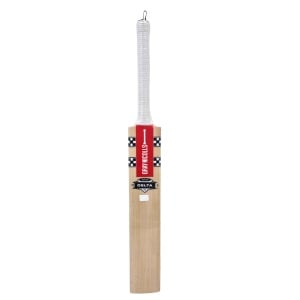
₹26,999 ₹19,450
-28%
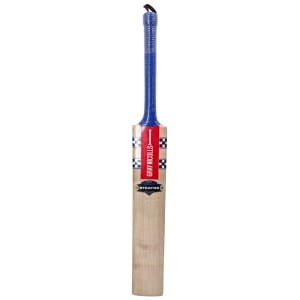
₹22,999 ₹16,500
-30%
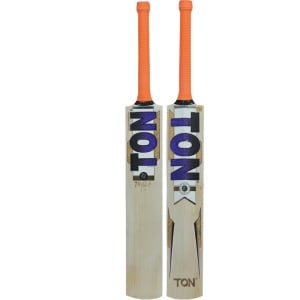
₹27,000 ₹18,900
-30%
₹15,200 ₹10,645
-30%
₹18,000 ₹12,600
-33%
₹14,610 ₹9,775
-30%
₹19,470 ₹13,625
-30%
₹35,000 ₹24,500
-30%
₹36,000 ₹25,200
-20%
-20%
₹13,499 ₹10,795
-30%
₹14,310 ₹9,999
-35%
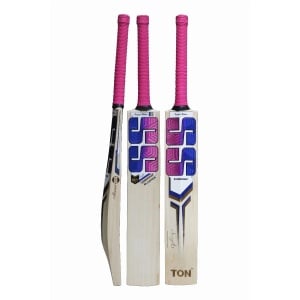
₹24,000 ₹15,600
-30%
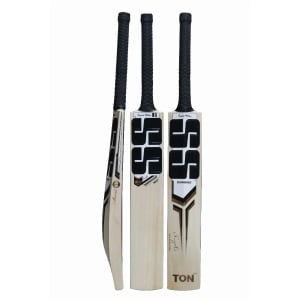
₹32,000 ₹22,400
-52%
₹125,000 ₹60,000
-35%
₹38,720 ₹25,225
-43%
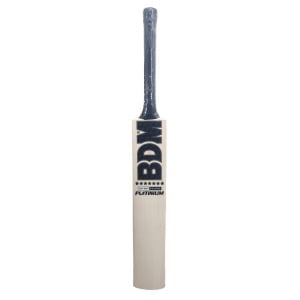
₹67,200 ₹38,495
-35%
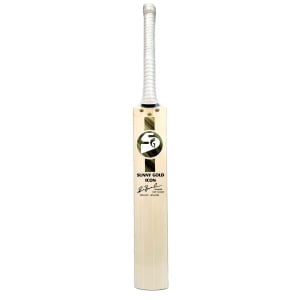
₹44,999 ₹29,250
-35%
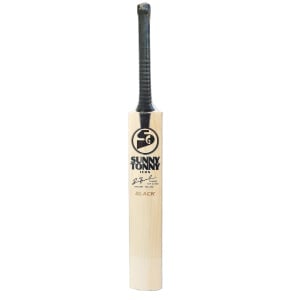
₹26,999 ₹17,550
-25%
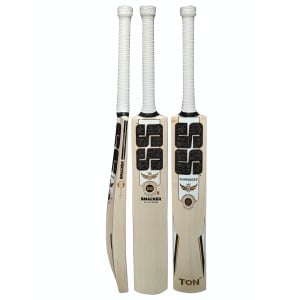
₹35,000 ₹26,250
-24%
₹9,000 ₹6,845
-30%
₹13,300 ₹9,299
-46%
₹91,960 ₹49,999
-30%
₹29,700 ₹20,795
-35%
₹38,999 ₹25,349
-35%
₹38,999 ₹25,349
-35%
₹109,999 ₹71,499
-25%

₹40,000 ₹29,999
-30%
₹49,999 ₹34,900
-20%

₹66,000 ₹52,745
-30%
₹109,999 ₹76,999
-30%
₹89,999 ₹62,945
-25%
₹40,000 ₹29,995
-17%
₹2,355 ₹1,945
-30%
₹20,000 ₹13,995
-30%
₹6,999 ₹4,900
-25%
₹3,540 ₹2,650
-13%
₹1,000 ₹875
-29%

₹47,199 ₹33,495
-30%
₹26,670 ₹18,645
-30%
₹30,000 ₹20,975
-30%
₹15,600 ₹10,920
-35%
₹24,999 ₹16,250
-30%
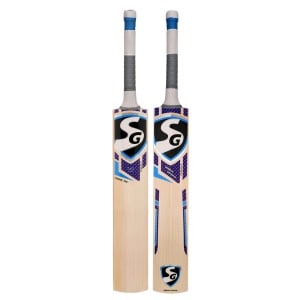
₹20,999 ₹14,695
-30%
₹7,739 ₹5,399
-30%
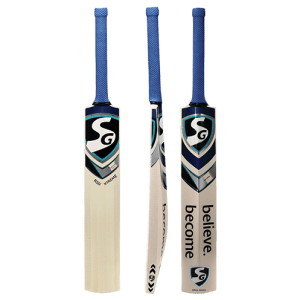
₹11,999 ₹8,399
-30%
₹23,999 ₹16,800
-18%
₹2,999 ₹2,445
Sold out
-34%
₹24,349 ₹15,995
Sold out
-30%
₹12,310 ₹8,625
Sold out
-19%
₹20,999 ₹16,999
Sold out
-11%
₹18,499 ₹16,500
Sold out
-20%
Sold out
-30%
₹51,000 ₹35,700
Sold out
-30%
₹45,900 ₹32,145
Sold out
-30%
₹5,399 ₹3,775
Sold out
-30%
₹58,000 ₹40,600
Sold out
-30%
₹5,399 ₹3,775
Sold out
-20%
Sold out
-20%
₹15,499 ₹12,395
Sold out
-20%
₹18,499 ₹14,795
Sold out
-18%
Sold out
-20%
₹17,999 ₹14,345
Sold out
-20%
₹13,999 ₹11,175
Sold out
-18%
₹13,499 ₹11,095
Sold out
-23%
₹19,999 ₹15,395
Sold out
-23%
₹15,999 ₹12,375
Sold out
-30%
₹42,000 ₹29,399
Sold out
-35%
₹34,000 ₹21,949
Sold out
-32%
₹23,200 ₹15,779
Sold out
-26%
₹11,400 ₹8,445
Sold out
-30%
₹16,000 ₹11,199
Sold out
-30%
₹19,000 ₹13,299
Sold out
-31%
₹27,000 ₹18,599
Sold out
-30%
₹22,000 ₹15,399
Sold out
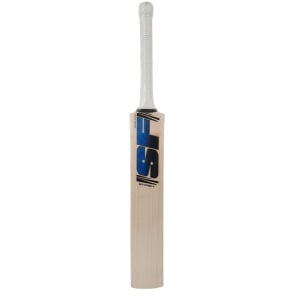
-25%
₹11,000 ₹8,250
Sold out
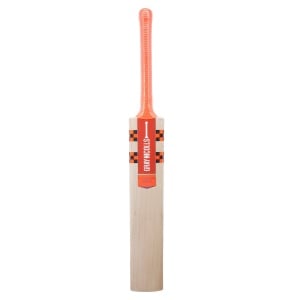
-22%
₹15,999 ₹12,475
Sold out
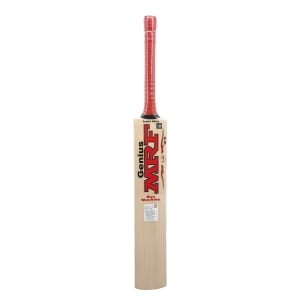
-20%
₹19,199 ₹15,345
Sold out
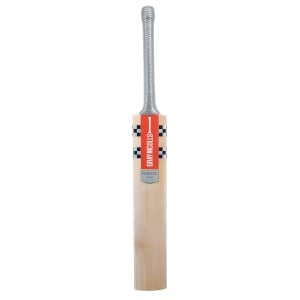
-21%
₹8,799 ₹6,995
Sold out
-30%
₹10,000 ₹6,995
Sold out
-20%
₹19,999 ₹15,945
Sold out
-20%
₹10,999 ₹8,775
Sold out
-18%
Sold out
-20%
₹12,599 ₹10,075
Sold out
-21%
₹25,199 ₹19,999
Sold out
-28%
₹6,400 ₹4,580
Sold out
-27%
₹151,000 ₹110,255
Sold out
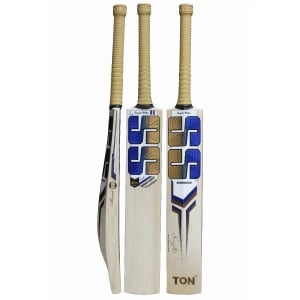
-30%
₹15,000 ₹10,500
Sold out
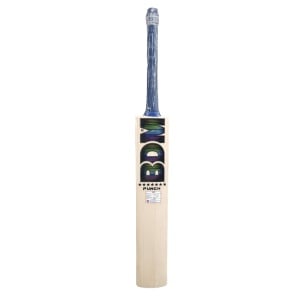
-39%
₹5,775 ₹3,545
Sold out
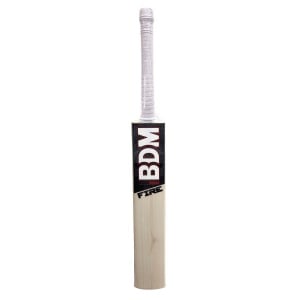
-30%
₹13,600 ₹9,540
Sold out
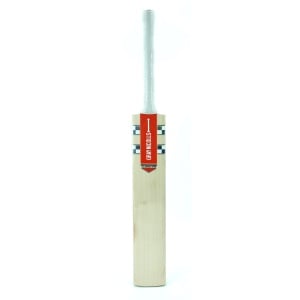
-22%
₹17,999 ₹13,999
Sold out
-23%
₹14,999 ₹11,599
Sold out
-20%
₹20,999 ₹16,795
Sold out
-25%
₹20,000 ₹14,999
Sold out
-30%
₹14,000 ₹9,800
Sold out
-30%
₹18,000 ₹12,600
Sold out

-25%
₹25,000 ₹18,750
Sold out
-20%
₹16,899 ₹13,520
Sold out
-20%
₹22,999 ₹18,399
Sold out
-20%
₹13,999 ₹11,220
How to choose a cricket bat
Three decisions cover most of what matters: English or Kashmir willow, the grade within that, and the size and weight that match you. Brand and price tag come after, not before. We've put the deep version of this in our how to choose a cricket bat guide; this page is the working summary.
English willow vs Kashmir willow
English willow is softer, springier, and better at transferring energy from bat to ball. It's what every professional cricketer uses, and it's what you should buy if you play with a leather ball at any serious level. Expect to pay ₹3,000 and up. Kashmir willow is harder, denser, and more durable. It costs less (₹1,500–₹3,000 range), survives careless storage and rough use, and works fine for tennis-ball cricket, school nets, and beginners getting started. The general rule: leather ball cricket means English willow; tennis or rubber ball cricket can mean either.
English willow grades (and what they actually mean)
- Grade 1 / Players Edition: 8–12 straight grains, clean white face, minimal cosmetic marks. Ready-to-play feel right out of the wrapper. ₹15,000+. Best for state-level and professional players who'll get full value from the willow quality.
- Grade 2: 6–10 grains, may have minor butterfly stains or a touch of red wood on the edge. Performance is genuinely close to Grade 1 at half the price. ₹8,000–₹15,000. The serious club player's sweet spot.
- Grade 3: 5–7 grains, more visible red wood, some specks or knots. Needs proper knocking-in but hits well once opened up. ₹5,000–₹8,000. Most popular grade for league cricket in India.
- Grade 4: 4–6 grains, more cosmetic marks, often with visible knots. Solid practice bat that handles real match use. ₹3,500–₹5,500.
- Grade 5: 3–5 grains, often stained or knotty. Functional, reliable, no premium feel. ₹2,500–₹3,500.
One myth worth correcting: red wood (the heartwood near the edge of the willow) is not a defect. It's actually harder and more durable than the white sapwood. A bat with red wood often outlasts an all-white Grade 1. Cosmetic marks like butterfly stains and pin knots also don't affect performance. We've covered this properly in our English willow imperfections and grains article — recommended reading before you decide what to spend.
Bat weight
The standard senior bat sits between 1100g and 1250g (2lb 7oz to 2lb 12oz). Lighter bats (1150g and below) suit batters who play wristy shots, work the ball into gaps, and prioritise placement. Heavier bats (1200g+) suit power hitters who want maximum momentum behind a smashed drive. T20-format players have shifted heavier over the last decade as boundary clearance became the priority. Test players still tend lighter for technique. If you're not sure, a 1180g bat suits most players. We've gone deeper into the trade-offs in our lightweight vs heavyweight cricket bat guide.
Bat size
Match the bat to your height, not your aspirations. A bigger bat is harder to control, not better.
- Below 4'3": Size 4 (junior)
- 4'3"–4'6": Size 5
- 4'6"–4'9": Size 6
- 4'9"–5'": Harrow
- 5'–5'8": Short Handle (SH) — the most common adult size
- 5'8"–6': SH or SH Long Blade depending on reach preference
- Above 6': Long Handle (LH)
Profile and handle
The "profile" of a bat is its 3D shape — where the wood is, where the sweet spot sits, and how the spine, edges and toe are sculpted. Modern bats have moved toward thicker edges (38–45mm), pronounced spines, and sweet spots positioned 7–10 inches from the toe. This is why modern bats hit harder than 1990s bats even with the same willow grade — the wood placement does more work. Our cricket bat power hitting article explains why.
On the handle: oval handles resist twisting on off-centre hits and suit top-order batters who play orthodox shots. Round handles let the bottom hand rotate freely and suit power hitters and finishers. If you don't have a strong preference, oval is the safer default.
Best cricket bat by use case
For leather ball cricket — club and league
Grade 2 or Grade 3 English willow, Short Handle, 1180–1220g, oval handle. Brands that consistently deliver well at this tier: SS Master series, GM Diamond, Kookaburra Beast, BDM Aero Dynamic, MRF Genius. ₹5,000–₹12,000 range. We hand-pick from each batch — you can ask for grain count, edge thickness, or weight preference at checkout and we'll match the closest cleft.
For state-level and professional cricket
Grade 1 English willow, custom-weighted to your specification. SS Master 8000, GM Mythos, Kookaburra Ghost Pro, MRF Virat Kohli Edition, BDM Black Kaiser. ₹15,000+. At this level the willow itself does the talking — every cleft is hand-selected and knocked in by our team before dispatch.
For tennis ball and gully cricket
Kashmir willow, Short Handle, 1100–1200g. SS Hulk, GM Striker Kashmir, Kookaburra Bahubali, BDM Galaxy. ₹1,500–₹3,000. Heavier feel suits tennis-ball boundary clearing. Don't overspend — tennis ball cricket doesn't need an English willow bat.
For beginners and school nets
Lower-grade English willow (Grade 4 or 5) for leather ball, or quality Kashmir willow for tennis ball. ₹2,500–₹5,000 covers either. The bat at this stage is for developing technique, not for buying performance you can't yet use. Our cricket kit essentials guide covers what else a beginner actually needs.
Brand notes
SS (Sareen Sports)
SS is the most-bought cricket bat brand in India and the closest to a default choice. Manufactured in Meerut since 1969, used by international players across the SKY (Surya Kumar Yadav), DK (Dinesh Karthik), and DRE (Andre Russell) signature lines. SS Master 8000 is the flagship Grade 1; Ton Player series for serious club cricket; SKY Thunder, Blaster and 360 cover the modern T20 profile range.
GM (Gunn & Moore)
GM is a 140-year-old British bat-maker with strong heritage and consistent quality. The Diamond and Mythos lines sit at the premium end; Hypa series for mid-range club cricket. GM bats tend toward classic profiles and oval handles, suiting batters who play with traditional technique.
Kookaburra
Australian brand, used by most of the international Australian and New Zealand teams, plus several Indian players. The Beast and Ghost lines are the headline products. Kookaburra profiles tend toward thicker edges and lower sweet spots, which suits front-foot batting on flatter pitches.
MRF
The bat brand most strongly associated with Indian cricket through the Sachin Tendulkar and Virat Kohli endorsements. MRF Genius series is the flagship; MRF Wizard for mid-range. Solid quality, strong resale, premium pricing.
BDM
BDM is a Meerut-based manufacturer (D. Mahajan & Sons) that exports globally and makes some of the best value-for-money English willow bats in the Indian market. Aero Dynamic, Dynamic Power and Black Kaiser cover their range. If you want Grade 1 English willow without the international-brand premium, BDM is worth a look.
DSC and others
DSC has grown rapidly in India through 2024-26 with strong support from younger players. Spliit series and Bravo line are the headline products. We also stock New Balance, SM, GA and several other quality brands — ask if you have a specific bat in mind.
Why buy from SportsUncle
Cricket bats are unlike most products you buy online. Every cleft of willow is different. Two Grade 2 bats from the same maker can play very differently. Five things separate us from a general marketplace:
- We hand-pick. When you order, our team selects the cleft from current stock based on your stated preferences (grain count, edge thickness, weight, profile). You can specify these at checkout or via WhatsApp before ordering.
- QR-code authenticated stock. SS, BDM and several other premium brands carry QR codes you can scan to verify authenticity. Counterfeit bats are a real problem in the Indian market — we source through brand distributors only.
- Knocked-in option. A new English willow bat needs 6–8 hours of knocking-in before it can face a leather ball without cracking. We offer this as a service before dispatch — the bat arrives match-ready instead of as a project.
- Honest grading. A Grade 2 from us is a Grade 2. We don't relabel Grade 3 willow as Grade 2 to inflate margins, which happens routinely on marketplace listings.
- GST invoicing for clubs and academies. Bulk bat orders for club teams, academy supply, school orders — routine for us. Email with your requirement.
Bat care and maintenance
A new English willow bat is not ready to play. It needs preparation, and how you treat it in the first month decides how long it lasts.
- Oiling: 2–3 thin coats of raw linseed oil on the face and edges (never the splice or stickers). Wait 24 hours between coats. This stops the willow drying out.
- Knocking-in: 6–8 hours of progressive knocking with a wooden mallet, starting gently and building intensity. This compresses the willow fibres so they don't crack on impact. We do this for you if you select the knocked-in option at checkout.
- Storage: Cool, dry place. Not in a car boot. Not in direct sun. Not in a damp garage. Heat dries out the willow; cold stiffens it; moisture warps it. Our impact of weather on cricket bats article covers this in detail.
- Anti-scuff sheet: A clear plastic film that goes on the face and protects against ball seam damage. ₹150–₹300, lasts 3–6 months. Worth it.
- Toe guard: A rubber strip on the toe that prevents moisture damage and shock cracks. Essential if you ever tap the bat on a damp pitch.
Detailed step-by-step in our cricket bat maintenance guide.
Common questions
What's the difference between English willow and Kashmir willow?
English willow is softer and springier; the willow gives slightly when the ball hits it, which transfers more energy back into the shot. Kashmir willow is harder and denser; less spring, more durability, lower price. Use English willow for leather ball cricket at any serious level. Use Kashmir willow for tennis ball, school nets, or as an entry-level leather ball bat.
What grade of cricket bat should I buy?
For state-level and pro cricket: Grade 1. For serious club cricket: Grade 2 or Grade 3. For league and weekend cricket: Grade 3 or Grade 4. For practice and beginners: Grade 4 or Grade 5. The performance gap between Grade 1 and Grade 2 is real but small; the gap between Grade 4 and Grade 1 is significant. Don't buy more grade than your level needs.
Do I need to knock in my new cricket bat?
If it's English willow and you'll face a leather ball, yes — 6 to 8 hours of progressive mallet knocking before facing a hard ball. Kashmir willow needs less knocking-in (1 to 2 hours) because the willow is denser to begin with. Tennis ball bats need none. We offer knocking-in as a service so the bat arrives ready to play.
What size cricket bat do I need?
Match the bat to your height, not your aspirations. Most adults between 5'0" and 5'8" use Short Handle (SH). Above 6', use Long Handle (LH). Below 4'9", use a junior size. A bigger bat is harder to control, not better — many young players over-bat themselves and lose timing.
How long does a cricket bat last?
An English willow Grade 2 used in regular leather ball cricket lasts 1–3 seasons, depending on care, frequency of play, and how often you middle the ball. Kashmir willow lasts longer in absolute time but loses performance faster. Bats don't usually fail catastrophically — they slowly lose ping (the willow compresses past the point of return). Once a bat stops feeling alive, it's done, regardless of how it looks.
What's the best cricket bat for tennis ball cricket?
A Kashmir willow Short Handle, 1150–1250g, with a slightly thicker spine. SS Hulk, GM Striker Kashmir, BDM Galaxy and Kookaburra Bahubali are all solid picks in the ₹1,500–₹3,000 range. English willow is overkill for tennis ball cricket and will get damaged faster on harder, drier pitches.
Are SportsUncle cricket bats original?
Yes — we source through brand distributors only and stock current-season inventory. SS, BDM and several other premium brands carry QR codes you can scan to verify authenticity. If you ever receive a bat where the verification fails, we replace it without argument.
Do you ship cricket bats internationally?
Yes. International rates apply and vary by destination. Cricket bats are well-handled by most courier services and clear customs without issue in cricketing nations. Email us with your destination country before ordering for a shipping quote.