

Loading cart...
 My Account
 Track Order
 Sports Guide
Choosing the optimal materials for your Pickleball paddle is essential to enhancing your game. The appropriate selection can lead to improvements in control, power, or longevity of the paddle. This guide aims to elucidate the advantages of different paddle materials and assist you in finding the best pickleball paddle that suits your playing technique.

Key Takeaways
Pickleball paddle material greatly impacts performance, with common materials including graphite, carbon fiber, fibreglass, wood, composite, and aluminium. Each material offers unique benefits tailored to different playing styles and skill levels.
Graphite paddles are known for their lightweight design and precision, making them ideal for control-focused players, while carbon fiber paddles offer power and durability, making them suitable for aggressive players. Fibreglass paddles provide flexibility and control, favoured by beginners.
The core material of a pickleball paddle, such as polymer, Nomex, or aluminium, significantly influences its power and control. Thicker cores enhance control, while thinner cores boost power. Understanding these materials helps players choose a paddle that aligns with their playing style and skill level.
Understanding Pickleball Paddle Materials

The composition of your pickleball paddle is crucial, as it can significantly influence your overall performance, the way you play the game, and even how quickly you improve. The ideal material for your paddle will depend on what aspects of the game—accuracy, ease of handling, forcefulness or command—you wish to enhance since most materials are designed to balance control with power for a versatile court presence.
When choosing a pickleball paddle that suits your needs best, think about how often you’ll be playing and select a resilient material capable of enduring rigorous sessions at peak levels. This ensures not only sustained good performance but also extends the life span of your paddle.
Here’s what should inform your decision when picking out a pickleball paddle:
How regularly you plan to play
Resilience against wear and tear over time
Paddle mass considerations
Trade-offs between mastery over shots and strength behind them
Balancing personal tastes against cost constraints
A lighter weight in paddles allows for nimble movements, particularly beneficial during net exchanges. Thus, understanding how choice affects attributes like touch versus impact is key while being mindful that durability doesn’t take a backseat given financial limitations or preferences in use.
Widely used materials range from graphite to carbon fiber composite options including:
Graphite-based models
Carbon fiber constructions which promise lightweight robustness
Glass composite designs
Traditional wooden choices
Mixed component fabrications
Aluminum-core variations
It is very helpful to think about the different densities that come with each type because they have real effects on how well players do in the game as they try to find the best balance between their skills or preferences and the physical properties that these different compositions offer.
Graphite Paddles: Lightweight and Precise

Renowned for their lightweight build and precision, graphite paddles offer a weight of approximately 215 grams, which is perfect for those who log extensive hours on the court. The paddle enhances near-net control and response speed, which benefits players who prioritize touch in their game.
Graphite paddles tend to be more expensive and may not deliver the power that some athletes are looking for despite offering superior control and ease of handling. Their slim yet stiff surfaces allow for consistent strikes with more efficient energy transfer—qualities that have made them popular among both recreational enthusiasts and serious competitors alike. For players valued over brute strength, a graphite paddle could be an ideal choice.
Carbon Fiber Paddles: Durability and Power

Celebrated for their outstanding strength and resilience, carbon fiber paddles are made by interweaving ribbons of carbon fiber material. This method strengthens and stiffens the paddle while using minimal material, allowing it to absorb and redistribute impact energy for precise, controlled shots.
Carbon fiber paddles serve as excellent tools for players with aggressive playing styles due to their unmatched power and quick response time. Because carbon fiber is significantly stiff, it efficiently transfers more energy onto the ball, which amplifies shot power. Players who have reached intermediate or advanced levels often choose these paddles when they seek both exceptional power in play and lasting durability.
Fiberglass Paddles: Flexibility and Control
Fiberglass paddles offer an excellent blend of flexibility and control, which is ideal for novices refining their skills. The material’s elasticity allows a significant energy transfer back to the ball, providing an enhanced response. But beginners might find it difficult to consistently hit top-notch shots due to the paddle’s smaller sweet spot.
Boasting high durability against damage such as dents and scratches, fiberglass paddles stand out for those who value long-lasting equipment. For individuals new to the sport in search of a paddle that gives them better command over play with some added power behind each shot, opting for fiberglass could be an optimal choice.
Composite Paddles: Versatility in Play
Crafted using a fusion of materials such as fiberglass, vinyl, and polymer for reinforcement and improved performance, composite paddles deliver an optimal mix of power and control. They commonly possess a textured surface to increase spin capability.
Due to their lightness and high maneuverability, composite paddles are preferred by competitive players. Although versatile enough to accommodate different playing styles across various skill levels, these paddles may be susceptible to dents and scratches. Those seeking a paddle that conforms well to diverse play approaches should contemplate experimenting with a composite paddle.
Wooden Paddles: Traditional and Affordable
Wooden paddles have a rich history, being the first paddles used in pickleball back in the 1960s. They are budget-friendly and highly durable, making them accessible to beginners. The grain pattern in wooden paddles helps to grip the ball better, facilitating spin.
However, wooden paddles have some drawbacks compared to those made from modern materials.
They are heavier, which may not be ideal for advanced players seeking more power.
They are less powerful compared to modern paddles.
They offer solid control and a traditional feel, but if you’re looking to elevate your game, you might want to consider other options.
Aluminum Paddles: Lightweight Option
Aluminum paddles provide a harmonious blend of control and playability due to their lightweight nature. They boast.
A featherweight structure
Cost-effectiveness
Reliable and steady performance
Enhanced control and agility
This combination renders them an excellent selection for beginners and those who play paddle sports recreationally.
It is important to note that aluminum paddles may be prone to dents and can degrade quickly over time. If you are in the early stages of your paddle journey and seek a cost-friendly option that delivers commendable control, aluminum paddles should certainly be considered.
Core Materials and Their Impact on Performance
The materials used for a pickleball paddle's core and surface have a significant impact on its performance. Materials like polymer, aluminum, and Nomex are frequently employed in constructing pickleball paddle cores, each bringing a unique set of benefits and drawbacks that cater to different playing needs. The configuration of these materials into a honeycomb pattern within the core plays an essential role in dictating the balance between power and control delivered by the paddle.
The thickness of this core is also crucial: opting for a thicker core can improve control whereas choosing a thinner one can lead to heightened power during play. Understanding both the nature of these core materials and their characteristics ensures you are able to select a paddle that complements your specific style as well as proficiency level on court.
Polymer Core Paddles
Paddles with a polymer core are highly favoured for their optimal mix of control and power. These paddles feature:
An expansive honeycomb cell design that ensures a gentle touch and supreme command over the ball
Resilience stemming from their construction out of robust plastic compounds
A reputation for being exceptionally quiet compared to other paddle cores.
Players who value precision should opt for paddles with a thicker polymer core, whereas those seeking greater force might prefer thinner core paddles. The adaptability of these paddles makes them appropriate for an array of playing techniques.
Nomex Core Paddles
Paddles with a Nomex core boast an impressive ability to deliver strong hits and endure extensive use. Their hardiness is attributed to the small-celled honeycomb design, which renders them stiffer and more resonant than paddles made from polymer cores, endowing them with substantial power. Nevertheless, this very intensity of power could compromise control during fast-paced volley exchanges.
Although light in weight and powerful in strike capability, Nomex core paddles demand skillful handling for precise play without errors. Players who possess advanced skills and can manage vigorous energy output often find that these paddles significantly enhance their game performance.
Aluminum Core Paddles
Paddles with an aluminum core are recognized for their lightweight composition, which contributes to superior control during play. The honeycomb design of the structure is specifically engineered for this purpose. It’s worth noting that they might not deliver as much power in strokes when compared to other types. These paddles are particularly appropriate for players who value precision and finesse over sheer hitting strength.
Choosing the Right Material Based on Playing Style
There are a number of factors that affect the choice of paddle material, including:
The style in which you play
Your proficiency in the game
The financial plan you’ve set for this equipment
How heavy or light you prefer your paddle to be
How long-lasting and resilient you need the paddle
For example, individuals who are inclined towards delivering forceful strikes may favor a composite paddle designed to produce more power. Conversely, players whose strategy revolves around precision might select a paddle crafted for enhanced control.
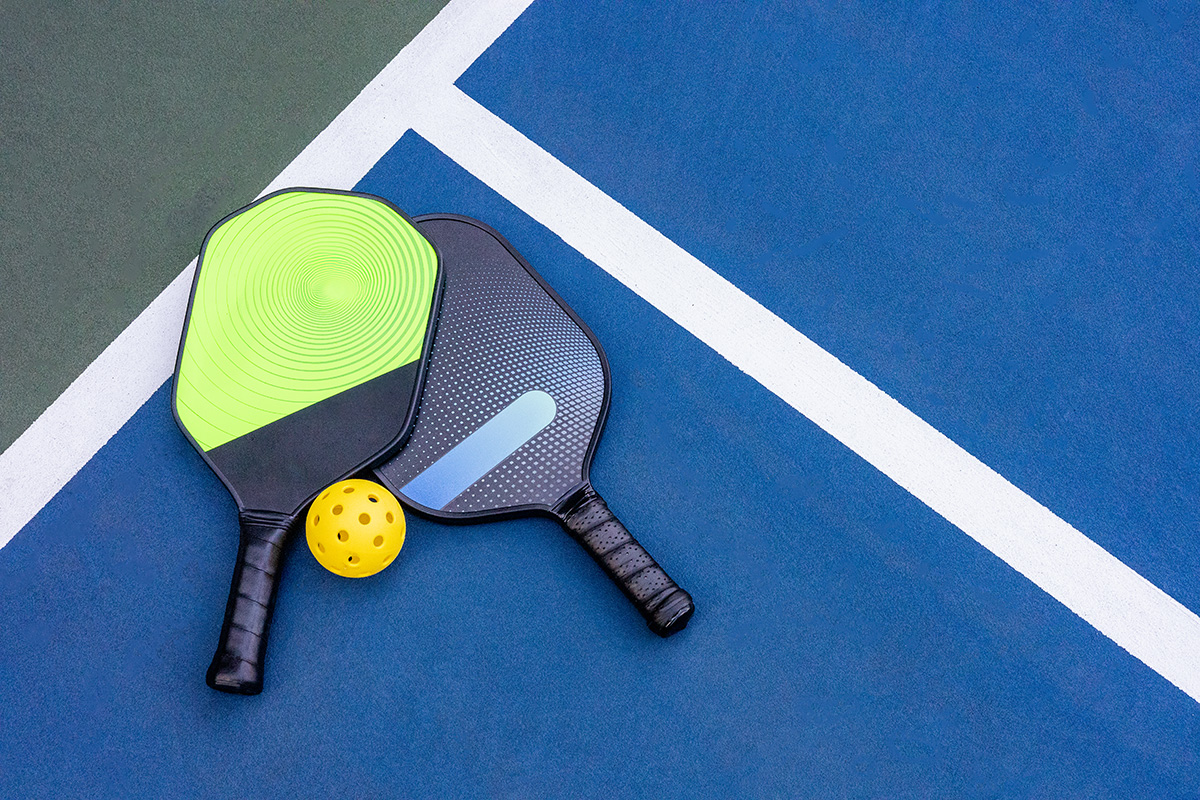
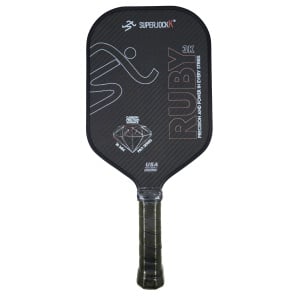
Paddles on the heavier end of the spectrum offer increased power capabilities, while those that weigh less provide better control and finesse. Novices should consider paddles with an intermediate weight that strike a harmonious balance between control features and powerful impact. Seasoned enthusiasts may value textured composite paddles for their advanced spin capacities and agility during net play like Superjockk 3k Ruby paddle.
Testing and Trying Out Different Paddles
Evaluating multiple paddles is crucial for finding the perfect one that aligns with your playing style preferences. By testing a paddle, you can actually experience how it enhances your way of playing and judge its effectiveness yourself.
Feeling the construction and quality of materials firsthand can have a substantial impact on selecting a paddle. Try out various options to ensure they suit your distinct playing approach and help you determine which paddle best suits your gameplay needs.
Summary
Selecting an appropriate pickleball paddle crafted from the ideal material can profoundly influence your performance on the court. Graphite paddles are known for their precise and lightweight nature, while carbon fiber is celebrated for its robustness and potent delivery. For those seeking pliability coupled with control, fiberglass paddles are a viable option. On the other hand, composite paddles cater to players who desire adaptability in their equipment selection, while wooden paddles provide an economical choice with a classic touch.
When it comes to the internal composition of the paddle—considered equally crucial as exterior materials—the core plays a significant role in dictating play dynamics. Polymer cores strike a fine balance between softness for touch shots and strength for powerful returns, Nomex cores excel at delivering forceful hits, aluminum-cored paddles boast superior command over ball placement. Experimentation with different paddle variations in tandem with assessing your unique playing style will lead you toward discovering that impeccable pickleball paddle that seamlessly complements—and enhances—your gameplay.
Frequently Asked Questions
What is the most durable pickleball paddle material?
The most durable pickleball paddle material is carbon fiber, known for its exceptional durability due to its interlinked, layered structure.
Are wooden paddles suitable for advanced players?
Wooden paddles are not suitable for advanced players due to their lack of power, even though they offer good control and are budget-friendly.
What core material is best for quiet play?
For those seeking a quieter game, a paddle with a polymer core represents the ideal core material, providing an excellent equilibrium of power and control.
How does core thickness affect paddle performance?
Core thickness affects paddle performance by providing more control and shot stability with thicker cores, and more power with thinner cores.

Aakriti Mohan
Dashing between table tennis tables, squash courts, and pickleball paddles, I'm the racquet queen turning games into giggles. Whether I'm drop-shotting puns in pickleball or smashing narratives on the squash court, my game is as diverse as my wordplay. From table tennis trick shots to pickleball poetry, I'm here to spin a racquet-tastic yarn. Let the games and giggles begin!
Related Products
-50%
₹11,999 ₹5,975
-70%
₹1,299 ₹395
-54%
₹850 ₹395
-59%
₹799 ₹325
Leave a Reply
Your email address cannot be published. Required fields are marked*
Latest Articles from Blog
No comments