

Loading cart...
 My Account
 Track Order
 Sports Guide
- Stiff shafts require explosive power and advanced technique that most recreational players lack, leading to weaker shots and increased injury risk.
- Flexible shafts provide easier power generation through the "whip effect" and are more forgiving for developing players’ timing.
- Professional rackets may actually hinder skill development if your swing speed isn’t advanced enough.
- Medium flex shafts offer the optimal balance of control and power for most intermediate players.
- Choosing inappropriate stiffness can lead to poor shot placement, joint strain, and slower progression.
You've just invested in a top-of-the-line badminton racket, expecting your game to improve dramatically. Instead, you find yourself struggling more than ever, with weaker shots, increased fatigue, and frustration mounting with every rally. If this sounds familiar, you might be experiencing one of badminton's most counterintuitive problems: using professional-grade equipment that’s actually sabotaging your performance.
The reality is that professional badminton rackets, particularly those with stiff flex shafts, are engineered for players with explosive power, lightning-fast swing speeds, and years of refined technique. When recreational players use these rackets, they often discover that expensive doesn't always mean better for their specific skill level and playing style.
Understanding Shaft Stiffness: The Technical Difference
Shaft flexibility in a badminton racquet represents how much the racket frame bends during your swing and impact with the shuttlecock. Manufacturers typically categorise shaft stiffness into four main ratings: Extra Stiff, Stiff, Medium, and Flexible, though different brands may use slightly varying terminology.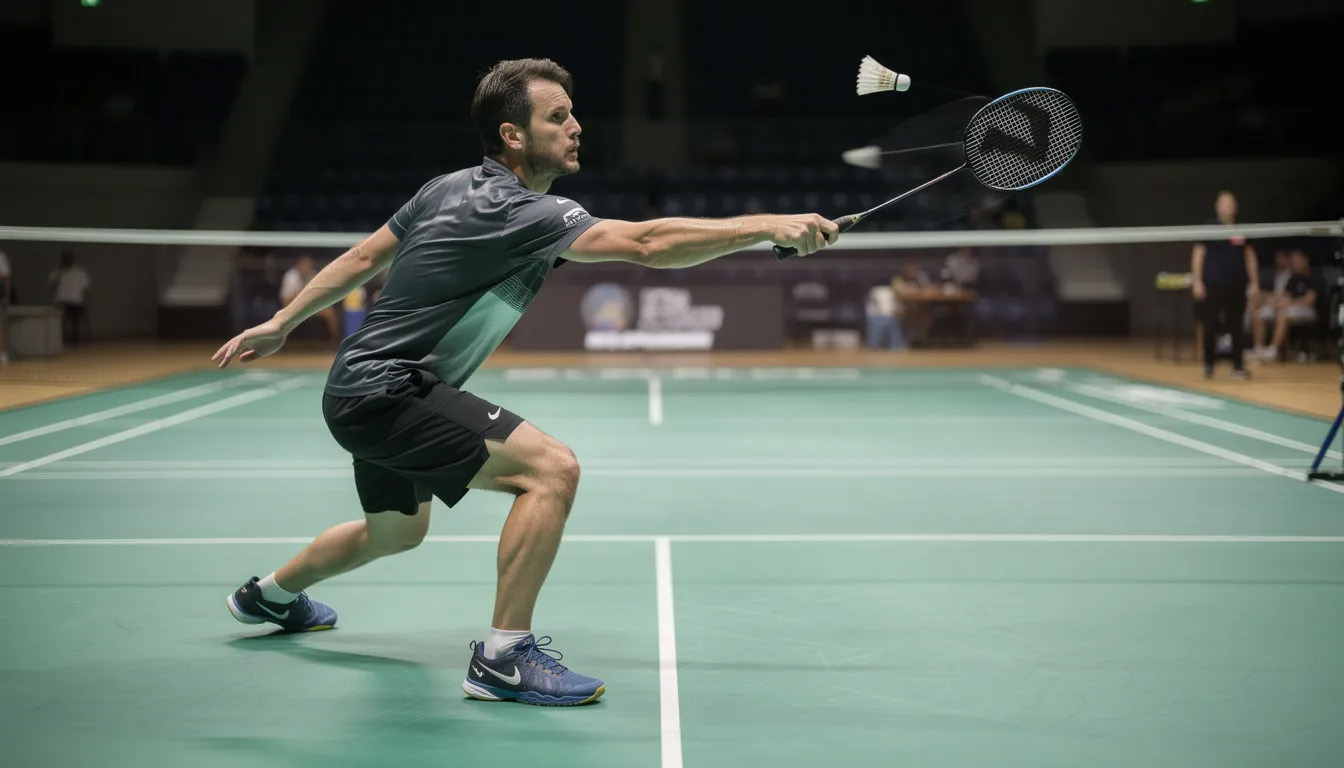
When you hit the shuttle, the shaft bends, storing energy like a spring. The degree of this bend and how quickly the shaft returns to its original position determine the power transfer to the shuttlecock. A stiff shaft bends minimally and recovers rapidly, while a flexible shaft bends significantly more and takes longer to return to the neutral position.
This mechanical difference fundamentally affects three crucial aspects of your game: power generation, control precision, and the timing window for optimal contact. The physics behind these differences explains why a racket with stiff flex might feel completely unresponsive in your hands while working perfectly for an advanced player with strong wrists and explosive power.
| Feature | Stiff Shaft | Flexible Shaft |
|---|---|---|
| Power Source | Player's Wrist & Swing Speed | The Shaft's "Whip Effect" |
| Control/Accuracy | High (Pinpoint Precision) | Moderate |
| Required Swing Speed | Fast / Explosive (>200 mph) | Slow / Smooth |
| Forgiveness | Low (Punishes mishits) | High (Larger sweet spot) |
String tension also interacts with shaft flexibility in complex ways. A high-tension racket paired with a stiff shaft creates an extremely unforgiving setup that demands precise timing and significant arm strength. Conversely, lower tension strings can partially compensate for a shaft that’s too stiff for your current ability level, though this represents a compromise rather than an optimal solution.
The racket head weight distribution further complicates this equation. A head heavy racket with a stiff shaft requires even more explosive power to generate adequate momentum, while a head light balance provides quicker maneuverability but may sacrifice some smash power. Understanding these interconnected variables helps explain why professional equipment specifications don’t automatically translate to amateur success.
Why Professional Players Choose Stiff Shafts
Professional badminton players consistently gravitate toward stiff and extra-stiff shaft options for compelling technical reasons that align perfectly with their elite capabilities. These athletes generate swing speeds exceeding 200 mph, creating enough momentum to fully utilize the minimal flex characteristics of professional-grade equipment.
Advanced players like Lee Chong Wei and Carolina Marin possess the explosive power necessary to compress even the stiffest shaft during their swing motion. Their years of training have developed the precise timing required to maximise the brief energy storage and release cycle that occurs with stiff shafts. For these players, the reduced flex translates directly into superior control and shot placement accuracy.
The quick recovery time of stiff shafts suits the lightning-fast pace of professional rallies, where milliseconds matter for defensive reactions and offensive follow-ups. Professional players have developed the muscle memory and technique to consistently hit the sweet spot, minimising the forgiveness that flexible shafts provide for off-centre hits.
Moreover, professionals often use high-string-tension setups that complement stiff shafts perfectly. The combination of tight strings and minimal shaft flex creates a highly responsive system that rewards perfect technique with precise shuttle placement. This setup allows for advanced shot-making techniques like deceptive drops, sharp cross-court drives, and powerful and accurate shots that require millimetre precision.
Professional training regimens specifically develop the physical capabilities needed to excel with stiff equipment. These players spend countless hours building the strong smash technique, wrist strength, and explosive arm speed that make stiff shafts advantageous rather than limiting.
How Stiff Shafts Can Hurt Your Game
For recreational and intermediate players, using a stiff shaft badminton racket often creates a cascade of performance problems that can actually slow skill development. The primary issue stems from inadequate swing speed – most amateur players generate swing speeds well under 150 mph, insufficient to properly load and utilise a stiff shaft’s energy storage capabilities.
When you can’t generate enough speed to make the shaft work properly, you’ll find yourself exerting maximum effort just to achieve basic shot power. Your clears consistently fall short of the baseline even with full arm strength, and your smashes lack the explosive power to pressure opponents effectively. This forces you to overcompensate by swinging harder, which often leads to poor timing and reduced shot accuracy.
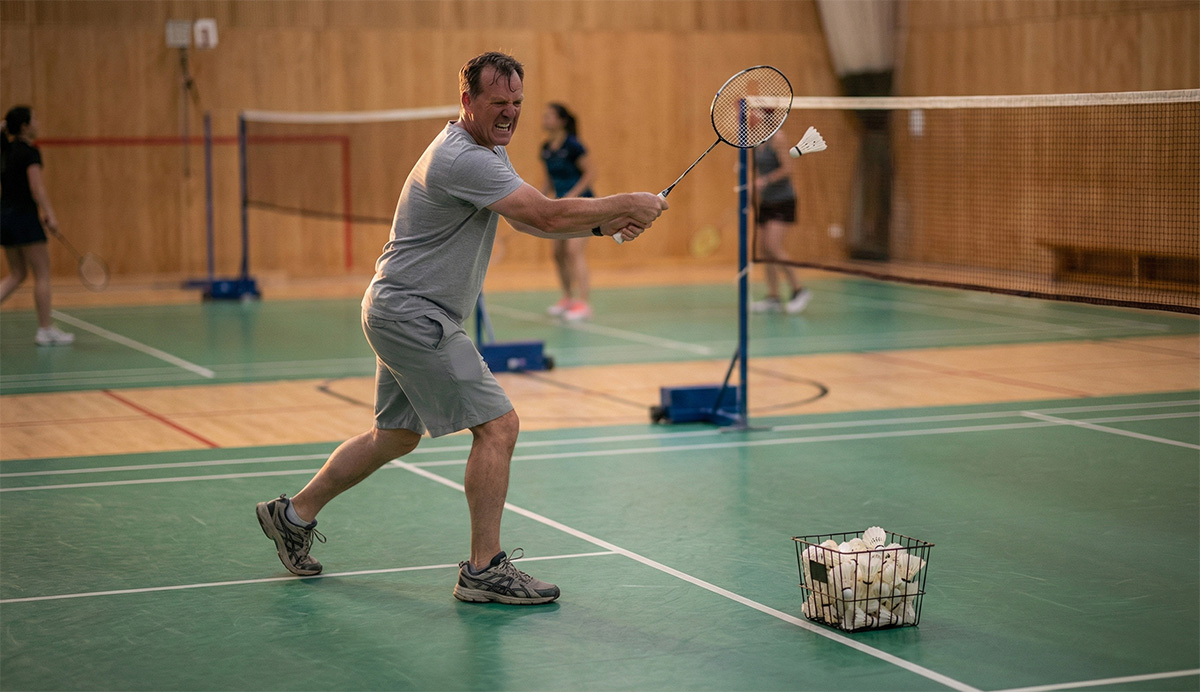
The injury risk increases significantly when using equipment that doesn’t match your capability level. Stiff shafts transmit more shock and vibration directly to your wrist, elbow, and shoulder joints because they absorb minimal energy during impact. Combined with the tendency to swing harder to compensate for power loss, this creates conditions for repetitive strain injuries and joint pain that can sideline you for weeks.
Your defensive game suffers when you use overly stiff equipment. Returning aggressive smashes requires quick reactions and the ability to redirect power efficiently.
A flexible shaft helps absorb and redistribute the opponent’s attack, giving you additional time to execute cross-court defensive shots. With a stiff shaft, these defensive opportunities become much more difficult to execute successfully.
The timing window for optimal contact becomes extremely narrow with stiff shafts, leading to frequent mishits and frame shots. Where a flexible shaft might forgive slight timing errors and still produce acceptable results, a stiff shaft punishes these same errors with poor shuttle trajectory and weak power output.
Common Signs You’re Using Too Stiff a Shaft
- Consistently short clears: If you’re straining to reach the back line on basic defensive clears, your shaft is likely too stiff.
- Weak defensive shots: Lifts that consistently give your opponent easy attacking opportunities suggest insufficient power generation.
- Frequent mishits: A pattern of poor contact suggests your racket isn’t providing enough margin for error.
- Pain and Fatigue: Arm fatigue, wrist pain, or shoulder discomfort after playing sessions points to equipment-related stress.
- No Power on Off-Center Hits: Difficulty generating power when you don't hit the perfect sweet spot.
Benefits of Flexible Shafts for Most Players
Flexible shaft rackets provide numerous advantages that align perfectly with the development needs and physical capabilities of beginner and intermediate players. The primary benefit lies in the enhanced power generation through what’s known as the whip effect – when you swing a flexible shaft, it bends significantly during the forward motion and snaps back to position during contact, adding momentum to your shot that your arm strength alone couldn’t produce.
This mechanism allows players to generate more power with less effort, creating a more sustainable playing experience during longer sessions. The energy storage and release cycle of flexible shafts effectively amplifies your natural swing, enabling adequate clear distance and smash power even if your technique isn’t perfectly refined yet.
The larger sweet spot created by flexible shafts provides crucial forgiveness during skill development. Minor timing errors that would result in poor shots with a stiff racket often still produce acceptable results with flexible equipment, allowing you to maintain rally momentum while gradually improving your precision.
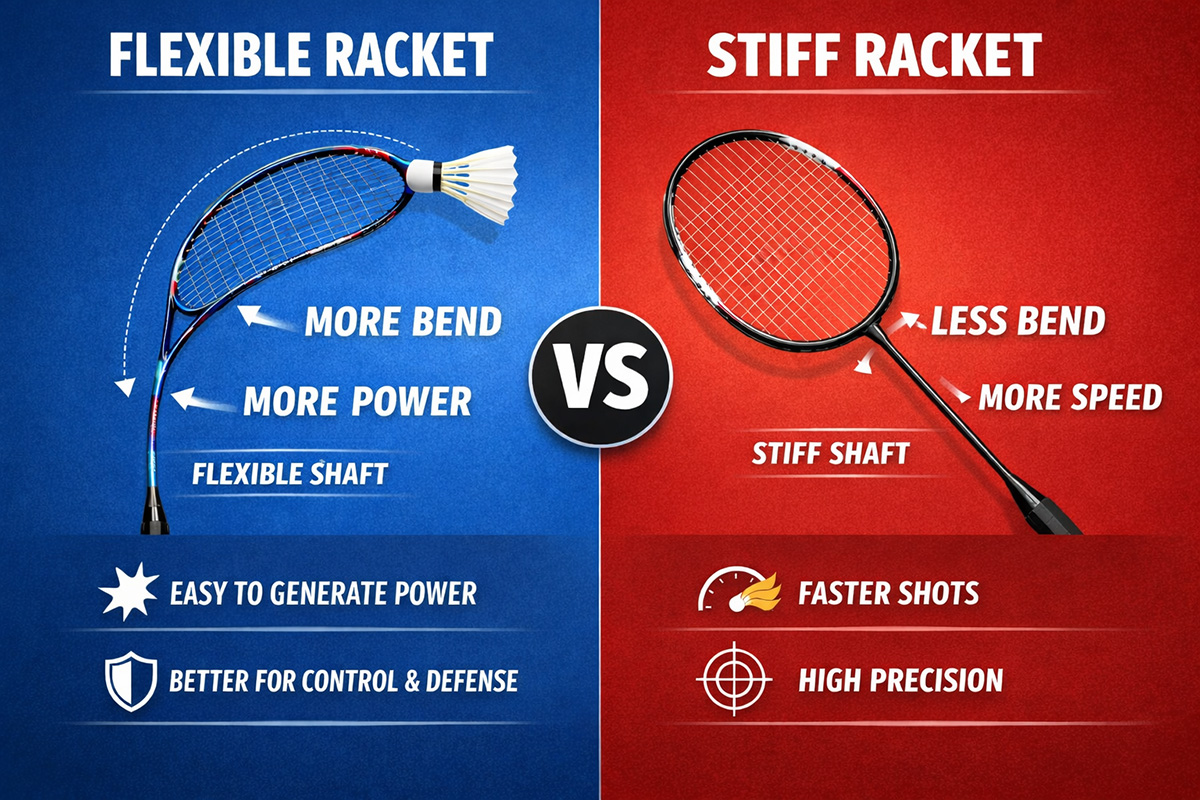
Flexible shafts excel in developing better touch and feel for delicate shots around the net. The natural give in the shaft helps players learn to modulate power for drop shots, net kills, and soft defensive returns. This enhanced feel translates into improved shot accuracy and better tactical awareness as players develop a more nuanced understanding of power control.
The reduced shock transmission through flexible shafts significantly decreases injury risk, particularly for players still developing proper technique. The natural dampening effect protects joints from excessive impact forces while allowing players to focus on fundamentals without worrying about equipment-induced strain.
Perhaps most importantly, flexible shafts accelerate the learning process by providing immediate positive feedback. When beginners can successfully execute basic shots and see tangible improvement in their power and accuracy, they develop confidence and motivation that sustains long-term improvement.
Finding Your Ideal Shaft Flex
Selecting the optimal shaft flexibility requires honest assessment of your current skill level, swing characteristics, and playing objectives. The progression through different flex levels should align with your technical development rather than your aspirations or equipment budget.
⚡ The Quick "Swing Speed" Self-Test
Not sure about your swing speed? Try this simple baseline test next time you are on the court:
- Stand at your back baseline.
- Try to clear the shuttle to your opponent’s back baseline using a normal, comfortable swing (don't force it).
The Results:
- It lands short? You likely have a slower swing speed. Stick to a Flexible shaft to help generate depth.
- It easily flies out? You have high power generation. You are ready for a Stiff shaft for better control.
Beginner players (0-2 years): Typically benefit most from flexible to medium flex options that prioritise power assistance and forgiveness over precision control. At this stage, developing consistent contact, basic stroke mechanics, and court positioning takes precedence over advanced shot-making capabilities.
During the beginner phase, focus on rackets that make the game feel accessible and enjoyable rather than challenging and frustrating. A light racket with flexible characteristics allows new players to develop proper swing patterns without fighting against their equipment.
Intermediate players (2-5 years): Can often transition to medium flex rackets that provide balanced development between power assistance and improved control. This category represents the sweet spot for most recreational players who want versatility across different shot types and playing situations.
Medium flex shafts offer enough power assistance for effective clears and smashes while beginning to provide the precision needed for improved shot placement and tactical play. Players at this level benefit from equipment that challenges them slightly while remaining within their technical capabilities.
Advanced players (5+ years): With consistent play and well-developed technique may consider medium to stiff options based on their specific playing style preferences. However, even advanced amateur players should carefully evaluate whether they possess the explosive power and timing precision that stiff shafts demand.
Swing speed testing provides objective data for shaft selection decisions. Players who consistently generate high speed swings may handle stiffer equipment effectively, while those with more moderate swing speeds should prioritize flexibility for optimal power generation.
Recommended Rackets by Skill Level
For developing players seeking flexible, user-friendly options, several racket models provide excellent performance without overwhelming technical demands. The Yonex Nanoflare 1000 Play
features a Medium flexible shaft with headlight balance, promoting quick swing speeds and easy manoeuvrability around the court. Its forgiving characteristics make it ideal for players building fundamental skills.
The Woods Breakthu offers another excellent flexible option with innovative frame technology that enhances power generation while maintaining control precision. This racket particularly suits players who prefer attacking styles but lack the explosive power for traditional stiff-shaft options.
Medium flex all-rounders like the Yonex Arcsaber 11 Play provide versatility for intermediate players ready to develop more sophisticated shot-making capabilities. This racket balances power assistance with improved precision, making it suitable for players transitioning between recreational and competitive levels.
The Victor Jetspeed S 10 represents another medium flex option that emphasizes quick handling and responsive feel. Its balanced characteristics work well for players who want to improve their net play while maintaining adequate power for backcourt shots.
Advanced amateur players considering stiffer options should evaluate models like the Yonex Arcsaber 11 Pro or Victor Thruster Ryuga II Pro , but only after confirming they possess the technique and power to utilize these rackets effectively. These represent the bridge between amateur and professional equipment specifications.
When considering any new racket, prioritise models from established manufacturers with consistent quality control and reliable performance characteristics. Avoid making decisions based solely on professional endorsements or aesthetic preferences, as these factors don’t correlate with amateur performance benefits.
Making the Switch: Transitioning Between Shaft Flexes
Transitioning between different shaft flexibility levels requires patience and realistic expectations about the adjustment period. Moving from flexible to stiffer equipment represents a significant change in how your racket responds during play, demanding modifications to your swing timing and power generation approach.
The typical adjustment period spans 4-8 weeks of regular play, during which your performance may temporarily decrease as you adapt to different feedback and response characteristics. Initially, you might experience timing issues, reduced power output, and less consistent shot placement as your muscle memory adjusts to the new equipment behavior.
During the transition period, focus on maintaining proper swing mechanics rather than trying to force immediate results with your new racket. Gradual adaptation works better than attempting dramatic technique changes to accommodate different equipment characteristics. Allow your natural swing to evolve with the new feedback rather than forcing artificial adjustments.
Training modifications should emphasize consistency and timing development rather than maximum power generation during the early transition phase. Practice sessions focused on controlled shot placement and rhythm development help establish new muscle memory patterns that optimize your new equipment’s characteristics.
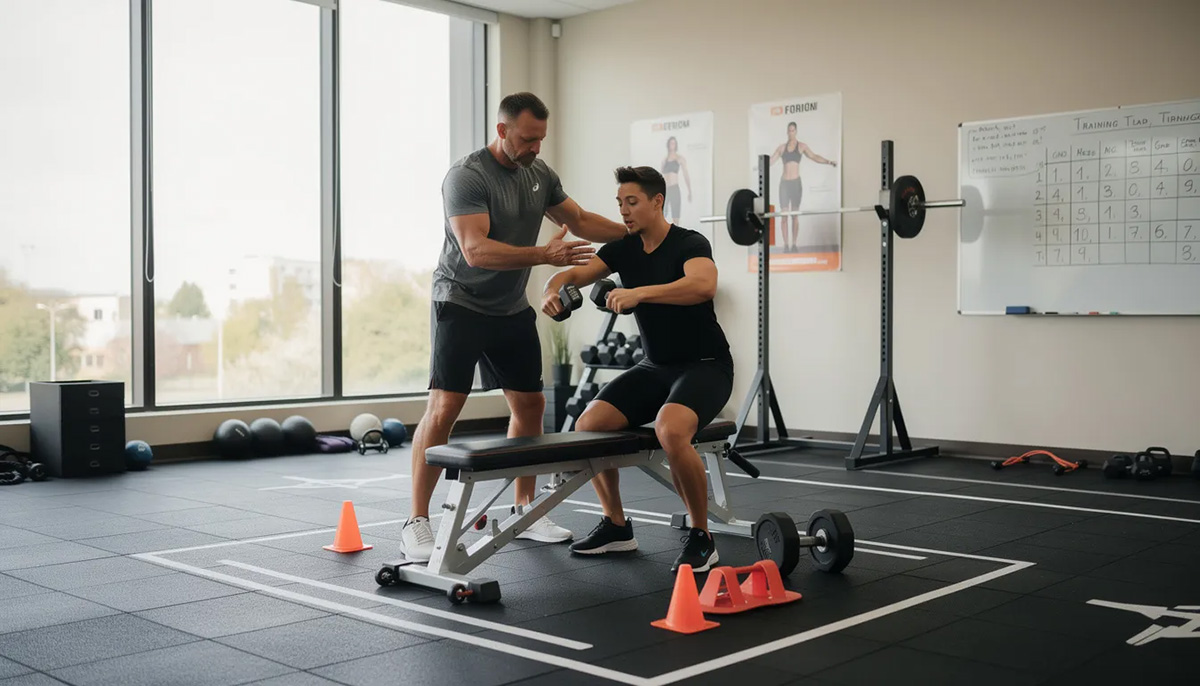
Consider seeking professional coaching during equipment transitions, particularly when moving to significantly stiffer options. A qualified instructor can identify technique adjustments that optimize your new racket’s performance while preventing the development of compensatory habits that might limit long-term improvement.
Common mistakes during shaft transitions include expecting immediate improvement, trying to replicate previous shot techniques exactly, and becoming frustrated with temporary performance decreases. Understanding that equipment changes require adaptation time helps maintain realistic expectations and a sustained improvement focus.
The most successful transitions occur gradually, sometimes involving intermediate steps rather than dramatic jumps in stiffness levels. Moving from flexible to medium flex, then eventually to stiffer options provides smoother adaptation than attempting direct transitions across multiple stiffness categories.
Debunking Common Myths About Pro Equipment
The badminton equipment market perpetuates several misconceptions that lead players toward inappropriate racket selections. The most persistent myth suggests that expensive equipment automatically improves performance, when in reality, expensive often means specialised for advanced capabilities that recreational players haven’t developed.
Professional endorsements create another misleading influence on amateur equipment choices. When elite players showcase specific racket models, manufacturers market these same specifications to recreational players who lack the physical capabilities that make pro equipment effective. The professionals’ success stems from their exceptional skill and training, not primarily from their equipment specifications.
Marketing tactics often emphasise power and precision benefits without acknowledging the prerequisite capabilities needed to access these advantages. Advertisements rarely mention that stiff shaft benefits require explosive swing speeds and refined technique that take years to develop properly.
The difference between professional and recreational play demands creates entirely different equipment optimization priorities. Professionals prioritise maximum precision and control because they possess adequate power generation capabilities. Recreational players need equipment that helps generate power and provides forgiveness for developing technique.
Equipment sponsorships influence professional player choices in ways that don’t apply to amateur purchasing decisions. Sometimes, professionals often receive customised versions of commercially available rackets, with specifications modified for their individual preferences and playing characteristics.
Real performance factors extend far beyond equipment specifications to encompass technique development, physical conditioning, tactical understanding, and consistent practice. While appropriate equipment supports improvement, it cannot substitute for fundamental skill development and proper instruction.
The emphasis on the latest technology and advanced materials often distracts from the basic principle that equipment should match current capabilities rather than aspirational goals. A perfectly matched mid-range racket will consistently outperform inappropriate high-end equipment for players at any skill level.
FAQ
Can I improve my technique faster with a stiffer racket shaft?
No, flexible and medium flex shafts actually help develop proper technique by providing feedback and requiring less force. Stiff shafts can mask technique problems by demanding perfect timing from the start, which often leads to frustration and slower skill development. Flexible equipment allows players to experience success with fundamental shots while gradually building the precision needed for stiffer options later.
Will switching to a flexible shaft make me dependent on equipment assistance?
Flexible shafts teach proper swing mechanics that transfer well to any equipment. The power assistance helps players develop confidence and consistency, which are essential foundations for eventual transitions to stiffer equipment. Players who master fundamentals with flexible shafts typically adapt more successfully to advanced equipment than those who struggle with inappropriate stiff rackets from the beginning.
How often should I reassess my shaft flex needs?
Review your shaft choice every 1-2 years as your technique and strength develop. Significant improvements in swing speed, timing precision, or overall skill level may warrant considering stiffer options. However, avoid rushing transitions – staying with appropriate equipment longer usually produces better results than premature upgrades to stiffer specifications.
Do professional players ever use flexible shafts?
Some professionals use medium flex rackets, especially in doubles where quick reactions and precise placement matter more than raw power. Even in singles, certain playing styles benefit from the enhanced feel and touch that slightly more flexible shafts provide. The key difference is that professionals have the technique to maximize any shaft flexibility effectively.
Can the wrong shaft flex cause permanent damage to my technique?
Stop fighting your racket and start winning. Find the perfect flex for your swing.While not permanent, using inappropriate flex can develop bad habits that take considerable time and effort to correct. Players using overly stiff equipment often develop compensatory swing patterns that persist even after switching to appropriate equipment. Early selection of properly matched equipment prevents these issues and accelerates long-term development.

Vijaydeep Saini
Smashing sentences and shuttlecocks with equal precision. A wordsmith on the court and an athlete at the keyboard, serving aces and anecdotes. Pen in hand, racket ready—let’s play.
Leave a Reply
Your email address cannot be published. Required fields are marked*
Latest Articles from Blog
07.09.2026
23.08.2026
No comments