

Loading cart...
 My Account
 Track Order
 Sports Guide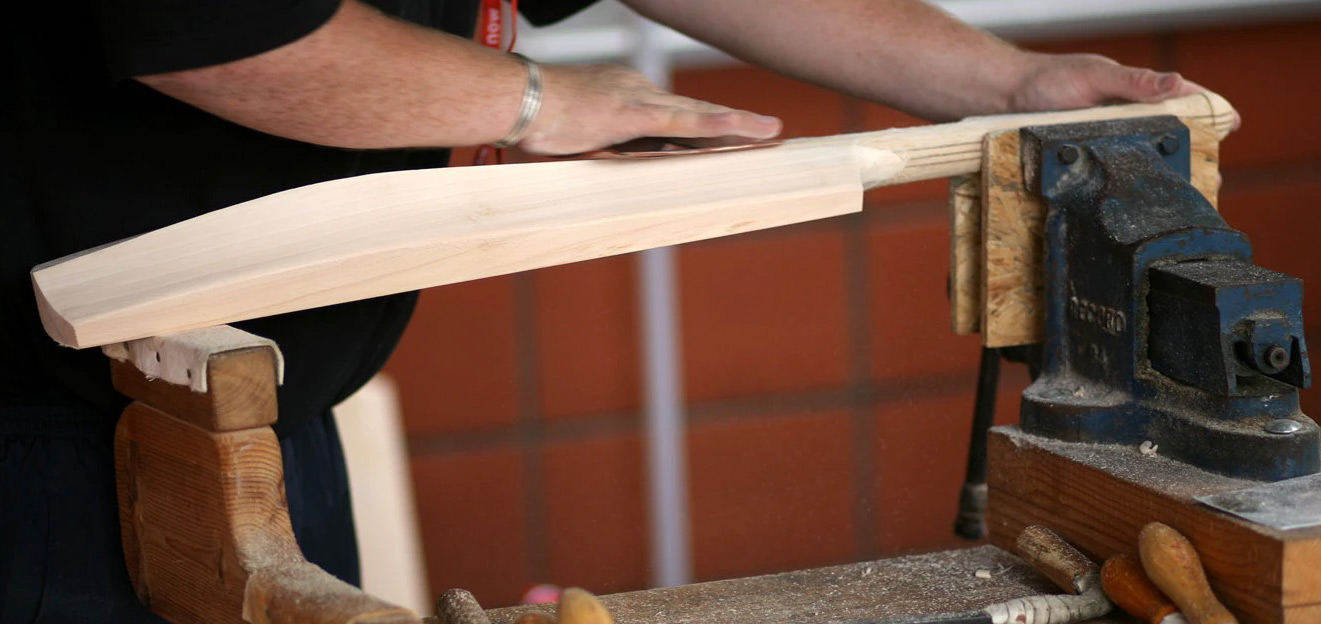
Understanding Imperfections and Grains in English Willow Cricket Bat
A cricket bat for any cricketer is the weapon that can make him a hero or a zero. A perfect bat that feels right to the batsman makes him confident to hit more shots and to play comfortably, which is a great asset for any cricketer.
As a cricketer, when you choose the first bat for your career, it is important to know everything about it. The most popular bat used by professional cricketers is an English willow cricket bat. This article covers everything about an English Willow, its imperfections and how you can choose one.
Manufacturing
Cricket bats are manufactured in England, Australia, New Zealand, and the subcontinents of Asia (India and Pakistan). A cricket bat is manufactured with a wood called willow, which belongs to the family Salix. It is also called white willow or cricket bat willow.
Willow is grown in the cold and moist regions of the Northern Hemisphere. In India, it is found in the regions of Jammu and Kashmir and is known as Kashmir willow. Cricket bats are divided into two categories: English Willow cricket bat or Kashmir Willow cricket bat.
The top cricket bat manufacturers in the world are-
- Sareen Sports Industries (SS) - India
- Gun & Moore (GM) – England
- Kookaburra- Australia
- Spartan Sports- Australia
- Sanspareils Greenlands (SG) – India
- Madras Rubber Factory (MRF) – India
- Gray-Nicolls – UK
- Standford – SF – India
- DSC - India
English Willow vs. Kashmir Willow
Which one should you buy? Well, the English Willow is better than the Kashmir Willow. English Willow is grown in England. It looks white and has a higher number of grains when compared to Kashmir Willow. English Willow is often preferred for its more consistent colour and grain quality, which is a sign of higher-grade willow.
A consistent colour on a new bat is often an indicator of better-quality willow. Kashmir Willow looks brownish and is heavier than English Willow. The Kashmir Willow is preferred by many players, especially those who have just started playing, play for fitness or have a low budget.
The English Willow is considered the best and ideal wood for playing matches for clubs, Ranji’s or international matches.
Imperfections of an English Willow
The condition in which a tree grows has a great impact on its color and texture and also its suitability for making the cricket bat. The strong winds, soil structure, the humidity, the sunlight, water i.e. almost everything, contributes in growth of a tree. There can be some imperfections in the wood which passes on to the bat. Higher grade willow is selected for having few to no imperfections, which contributes to its desirability.Here is a list of imperfections found in an English Willow and how do they affect the performance-
- Pin Knot- It is the most commonly found imperfection which has a size of maximum 1 cm and is still living. It is caused by shorter limb of a tree which dies off due to some reasons cause a tiny knot in the tree which is called a pin knot. Usually when a tree is cut, there are some little living limbs of it which turns into a pin knot as they die. Pin knots are mostly round and you feel them when you touch the area. Remember - Every spot on the bat wood is not a Knot.
On the cricket bat, pin knots may appear on the back and edges of the bat. Do they impact performance? No, they do not affect the performance of the bat. These types of knots are more visible in Grade 5, Grade 4 and Grade 3 bats.
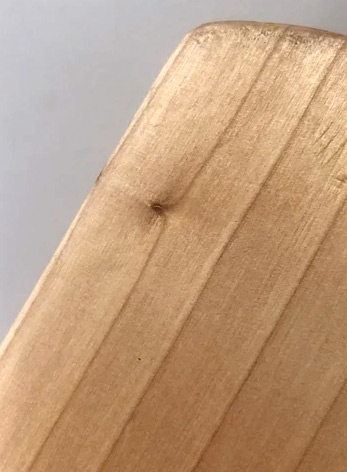
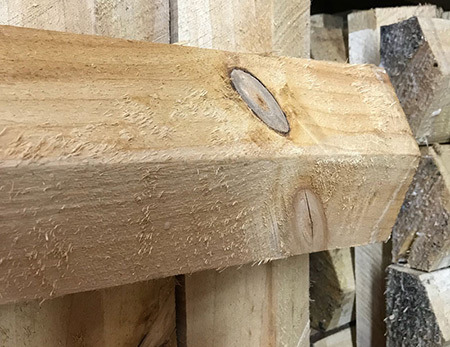
- Dead knot- A dead knot is caused due to a branch falling out after a long time due to insufficiency of sunlight reaching to it. As it grows for some time, it forms a knot.
When a tree is cut down after a long time, these dead knots are common. As for the cricket bat, it is better without a dead knot. They are normally found on the back side of the bat. It does not cause any impact on the performance, though.
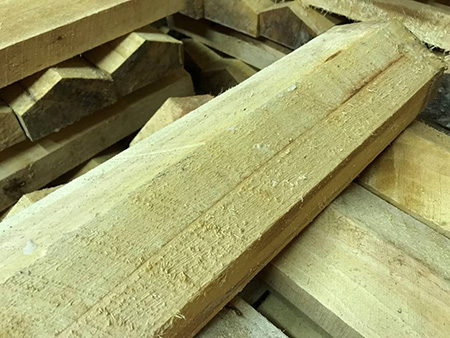
- False Growth- The tree grows fast in its initial years and the bark stretches out, creating growth rings which indicates its growth. Some factors sometimes put a stop to the growth of the tree i.e. drought or fire, it creates a false grain which runs parallel to the normal grains.
It is a common imperfection found in cricket bats. It is not a weakness and bats do not usually snaps at false growth line.
- Specks- There is two types of specks you can see on your cricket bat. One is a light speck, and another is the heavy speck. These are caused by the insects which lay their eggs inside the bark and feed on the nutrients of the tree. The larvae leave the tree, leaving the specks.
They can be seen parallel with the grains. These are purely cosmetic and do not affect the performance at all.
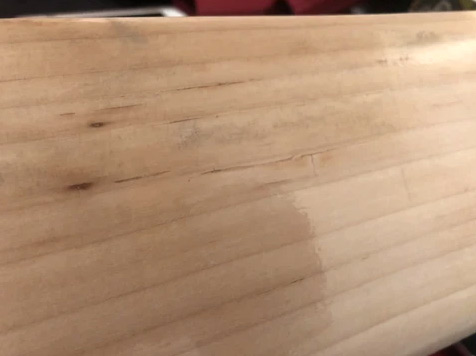
- Butterfly Stain- It is the sign of the strength of the bat. It is in the shape of wings of butterfly and is caused due the pruning and frost damage. It actually adds strength to the bat. Many players reject the bats with a butterfly staining due to its look but it is the best kind of willow actually which ensures a longer life of the bat.
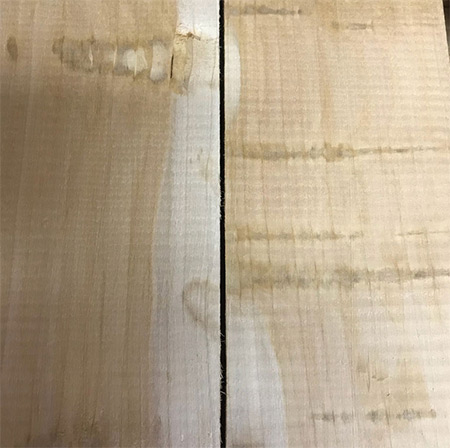
A severe pruning causes scarring in timber which can be seen as wider and more visible white lines. It is called bar stain or tiger stain.
The butterfly or bar staining does not affect the performance at all. These are all the effects of some natural conditions during the lifetime of a tree. Though, these are called imperfections, some of these are the signs of a good willow which ensures that your bat will last longer.
In addition to visible imperfections, other factors such as knots, stains, and grain structure are also considered when grading cricket bat willow.
Grades of a cricket bat
Before making a bat purchase, you should know the grades that are available in the market. An English Willow is graded in four types depending on the quality of wood and imperfections present and according to the same best cricket bats are manufactured. The four grades are-
Grade 1- This is the best willow and is kept for the limited edition cricket bats. Of course, they are the most expensive. These blades have a minimum of 6 straight lines visible on the bat's face which may range to 12 lines. Grade 1 willow is considered the highest quality due to its straight grains and minimal imperfections. They have minimal red timber and a pin knot may be present on the back. A slight redwood timber can be seen on the back and edges but it does not affect the blade. The clean playing area is all that matters.
Grade 2- These blades rank 2nd after Grade 1 and have a little more redwood present than Grade 1. They may have some specks or pin knots visible but what matters is 4 visible straight lines on the bat's face.
Grade 3- These are quality blades with a little more blemishes like redwood on the edges, more specks and pin knots, butterfly staining and the lines are also not-so-straight. These blemishes do not affect the performance of the bats. The right manufacturer can make it worth your money.
Grade 4- These blades are mostly covered of redwood and thus these blades are bleached. These bats are covered with butterfly stain, specks, and redwood. The redwood does not affect the performance but is a sign of the strength of the bat.
Grade 5- Yes, you read it right, some companies mark the bat as Grade 5 Willow and this is the starting range of english willow and front face is covered with Scuff Sheet, Grains Sticker or terry (cloth).
The visible lines on the bat's face are called grains, and these are a key factor in grading. Each grain represents one year of growth in the willow tree, which helps assess the quality and density of the wood. The grading of a bat is done on the quality of willow used. A great bat combines optimal grain structure, strength, and performance potential. An expensive bat does not ensure the performance but how you feel playing with it, does for you. On your next bat purchase, consider both the factors.
Tight Grains vs. Wide Grains
Before delving into the debate over which one is better, it is essential to understand the grains and their significance.
Grains are the vertical lines that appear on the bat and represent the age of the tree, as each grain means one year. The grains run vertically along the length of the bat, which influences its structure and durability.
The grains which appear on the face of a bat are all due to the growth of the tree, the soil quality and the amount of water and sunlight. More number of grains means the tree has grown up slowly.
In today’s market, when there is high demand for bats, the trees are grown in ideal conditions for their faster growth and are cut as soon as they are fit to make bats.
There are two types of bats- with narrow or tight grains or with wide grains. You need to understand the advantages and disadvantages of both before making your purchase-
Tight/ Narrow grains- They have more grains visible on their face, indicating that the tree has grown slowly over the years. It is preferred by most professionals today.
Advantages-
- As the tree grew up slowly, the wood is dense and fiber compact which makes it strong.
- There is no need to knock in. These bats reach their peak performance very quickly. These can be used immediately after obtaining, making them the preferred choice of cricketers.
- These bats have a naturally hard surface. There is not much need of knocking in.
Disadvantages-
- These bats are much heavier than the wide grained bats. The wood is denser which makes it heavier.
- The wood is more brittle which makes it prone to breakage.
Wide Grains- These are opposite of narrow grain bats. The trees are grown very quickly, resulting in fewer and wider grains.
Advantages-
- They are lighter than narrow-grained bats.
- It requires a little time knocking in and oiling, but when it reaches its peak performance, it stays there for a long time.
Disadvantages-
- The only problem is that they require some time to knock in before they are ready to use.
Redwood in bats - Good or Bad?
Some cricket bats feature more redwood and are referred to as double-shade bats. They do not look good and therefore, these bats are bleached. But these bats are preferred by many cricketers. For Example, Indian Cricket Team Batsman KL Rahul uses the SG Sunny Tonny Classic bat or SG Triple Crown Xtreme bat, and mostly you will see the double shade bat in the hands of this wonderful batsman and how he plays the useful innings is known to every cricket lover.
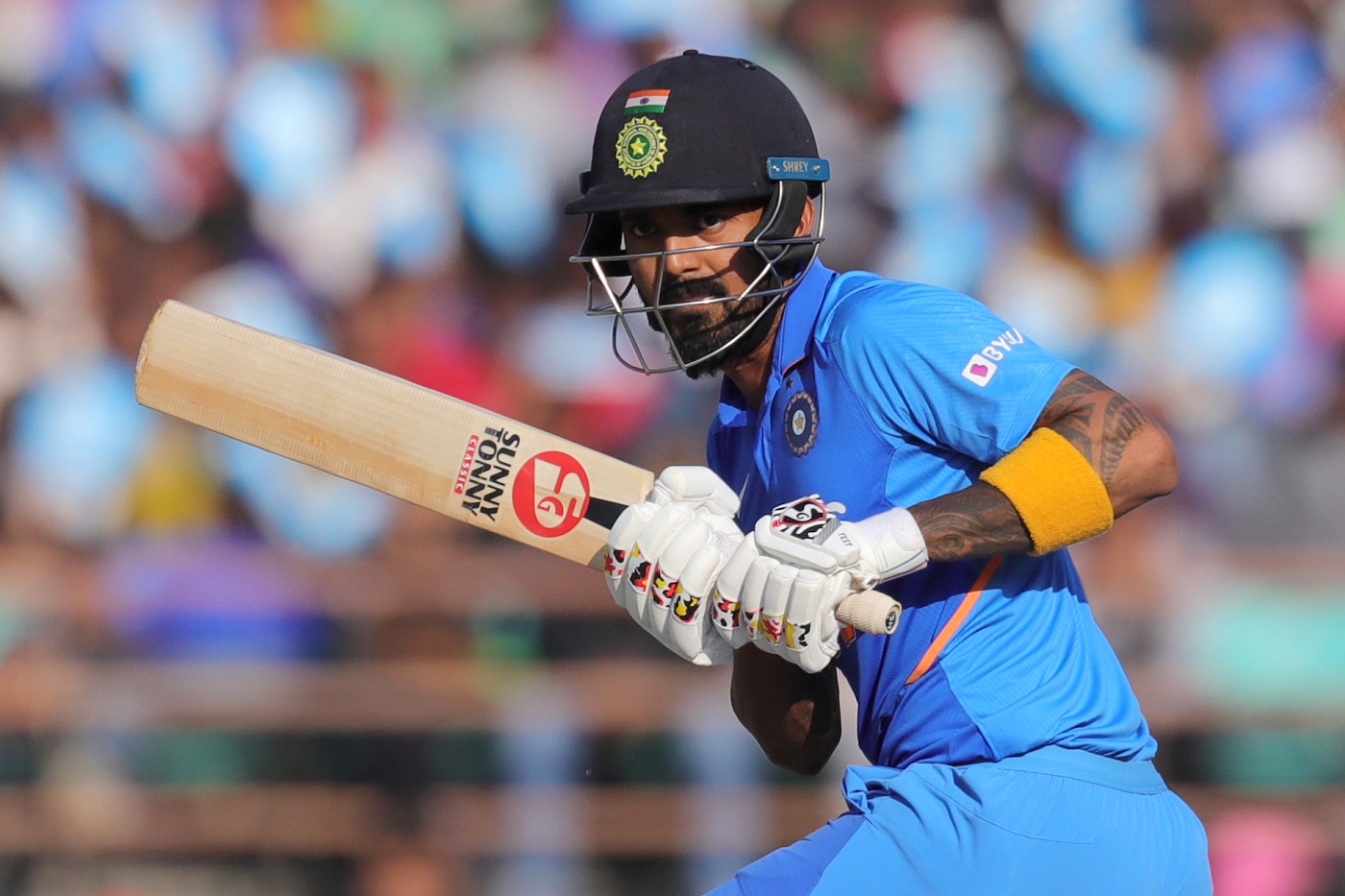
The redwood, or heartwood as it is called, is the red colored timber that is the centre part of the tree, which grows into the white sapwood gradually with time. The redwood is denser and stronger than sapwood, and thus it lasts longer, ensuring the bat's strength and durability for a longer time.
The problem with redwood is that it is brittle and is prone to breakage if not maintained properly. You take care of it and it will stay with you far longer than a white willow. It does not affect performance at all, and its presence on the edges helps to hit the ball strongly and aids in striking shots.
Online vs. Offline purchase
In present times, almost everything is available online including cricket bats. There are a number of online equipment stores which will help you to pick the desired equipment or sportswear. If you are planning to purchase a cricket bat, you must be debating between online and offline store purchases.
The cricket store in your town can provide you with limited choices. If there is no cricket store in your town, then?
Then, of course, online purchase is the best option. A number of online stores will help you choose the cricket bat you want and will also provide you with guidance on which is the perfect one for you. It will also save time and transportation costs. There are several trusted sellers in the market that provide quality cricket bats.
Buyer’s asking for pictures can satisfy only the cosmetic needs by looking the bat, only the seller can send you the right bat with good balance and ping. A good-looking bat with bad ping or balance only drains your money. So, keep your trust in the online seller if you are buying the cricket bat online.
Sportsuncle never sends the product with blemishes, knots, or any imperfections in the bat that affect your performance. We also try to avoid the Red wood as much as possible, this is actually a good thing but some buyers dont prefer this considering a defect.
When selecting your bat, ensure you check the size, weight, and other relevant specifications. Your height and weight also plays a major role in choosing a bat, so ask questions accordingly before making your purchase.
Maintenance of the bat
Once you have bought the bat, you cannot start using it straight away, as you know. It requires knocking-in and oiling. Raw linseed oil is applied on the bat and the face is knocked with the soft leather cricket ball. Three to four hours of knocking is required before applying more linseed oil. But the bat is not ready yet. A few more hours of knocking will be required before you can take it out to play. The knocking compresses the wood fibre and makes it ready for use.
You can also opt for automatic knocking through the machine if your seller provides the same and that costs for Rs.500 to Rs.800 for 5000 knocks approx.
Regular application of linseed oil helps keep the bat free from humidity fluctuations. It gives them control over the shots and makes the wood stronger.
Learn in Detail - Maintenance of a Cricket Bat
Conclusion
What makes a bat perfect for you is the feeling you have after holding it. If it feels perfect and you feel confident playing with it, then you should get it and that all depends on your seller. If you are looking for Tips on How to select a Cricket Bat, or advice on how to choose a cricket bat, this another article will help you. Hope this article will help you make the right purchase.
Viswanath M
Meet the maestro behind the cricketing quill – a wordsmith whose ink flows with the rhythm of a perfectly timed cover drive. When the cricket ball rests, my pen takes the spotlight, transforming every match, every player, into a poetic symphony of leather against willow. With a laptop as my crease and words as my bouncers, I bowl over readers with stories that swing and spin.
Related Products
-16%
-11%

₹18,499 ₹16,500
-30%
₹19,470 ₹13,625
-30%
₹27,000 ₹18,900
Comments: 6
Best article read about bats. Thanks a lot for sharing this huge information.
Great article about the willows chosen for preparing the cricket bats.
Super article
Very much informative
Great to have this type of information if you are cricketer......
Thanks a lot....
Thanks for sharing the detailed and clear information.Best article i have ever seen.Can you share your email to reach out to you for some queries.
Leave a Reply
Your email address cannot be published. Required fields are marked*
Latest Articles from Blog