

Loading cart...
 My Account
 Track Order
 Sports Guide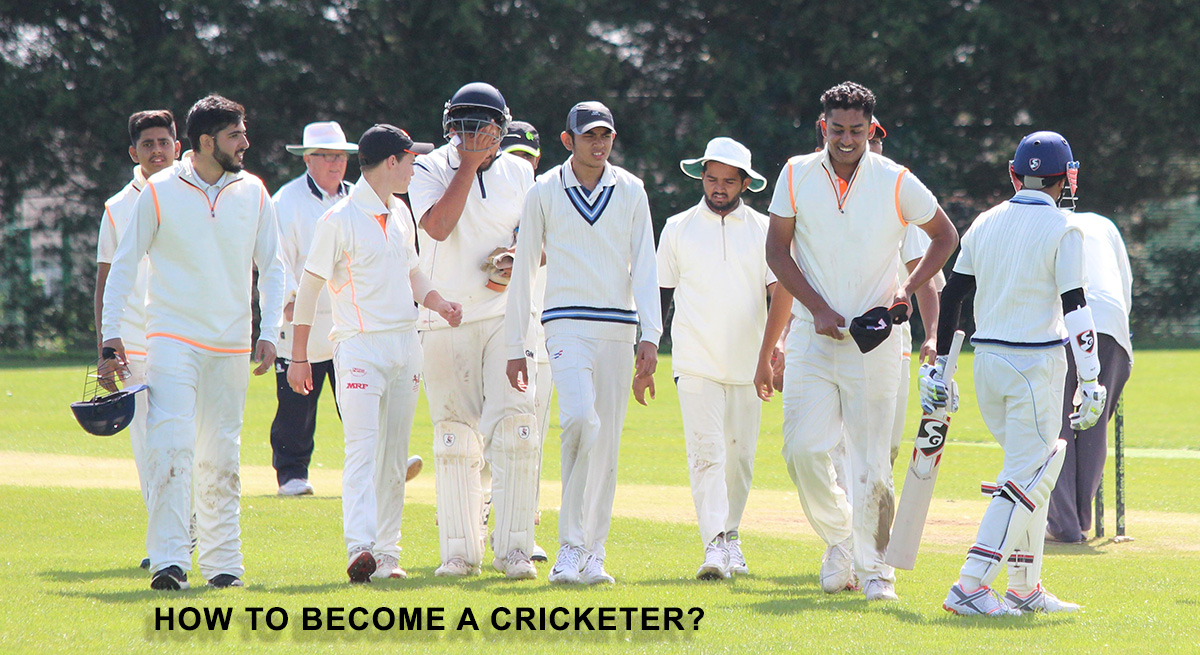
Almost all of us has dreamt about becoming a cricketer once in our life. Some pursue their dreams and become successful cricketers like Virat Kohli, Sachin Tendulkar, and more, while others fade away. The million-dollar question here is what separates successful cricketers from unsuccessful cricketers. Obviously, it takes a lot of hard work and dedication, but is that enough? We are trying to answer some questions like that in this piece, but that’s not all; we have included several other essential things. Overall, we have brought an extensive guide that should answer most of your questions about becoming a cricketer.
Embarking on your cricket journey is a unique and rewarding process that requires persistence, dedication, and continuous personal development.
What should I do to become a cricketer?
There is no right way or wrong way of becoming a cricketer, you need to follow a daily routine, work hard, believe in the process, and that’s how you become a cricketer in India or any part of the world. You can begin playing cricket at any age, as there are no strict requirements for when to start.
However, after analyzing the lives of some of the famous cricketers, we found out they all have things in common. They all followed a similar process to become what they wanted to become. In this section, we will talk about some of those things. Joining a local cricket club is a fundamental step for aspiring cricketers, providing essential exposure, opportunities for practice, coaching, and participation in matches.
For those who are undecided about pursuing cricket seriously, starting at a local club can be a great way to explore the sport before committing to a cricket academy. Engaging with local clubs is important as they serve as accessible entry points for aspiring cricketers to practice, gain experience, and get noticed. Additionally, recreational cricket offers an informal, community-based way for beginners to enjoy and practice the sport outside of formal academies.
Analyze yourself
It is critical for you to have an in-depth knowledge of the situation and your abilities before starting your cricketing journey. Having the dream is fine, but it is not enough. The first and foremost step should be deciding what role you want to play? A batsman, bowler, wicket-keeper, or an all-rounder?
It will be relatively complex for you to choose; that's where coaches come in (we have talked about this in the next section). That said, most people want to follow their idols, so they base their choices on that; you can do the same and make a temporary choice based on what will you like to do more among bowling bouncers like Brett Lee, hitting cover drives like Virat Kohli, stumping like MS Dhoni, or bat and bowl like Ben Stokes.
Find a good cricket academy.
Selecting the right cricket academy is a fundamental step in becoming a cricketer; after all, this is the place that will either make you or break you.
Enrolling in a professional academy provides essential coaching, mentorship, and a competitive environment, which are crucial for developing the skills necessary to succeed in cricket and achieve one’s career goals. Quality cricket coaching is vital for refining your skills and helping you discover your expertise in batting, bowling, or fielding.
The main difference between successful and unsuccessful people is that successful people are clear about their aim and are sure about how to reach their aim. In cricket, coaches are there to offer guidance throughout your journey. A good cricket academy and coach will help you turn your dream into reality by making sure you follow the right path.
There are numerous cricketing academies in India, including the SONNET cricket club in Delhi, the National Cricket Academy of India, and more. However, it is essential to note that they are not all worthy, so how do you choose a good cricket academy? The easiest way to do that is to search nearby academies on Google and find one that can accommodate all your needs. Try to find answers to the following questions while searching.
History of the academy, including how many years of experience it has under the belt.
History of the coaches working in the academy. How many years of experience do the coaches have? Is there any former cricketer to monitor your growth there?
How many coaches are there? If the ratio between the number of students and the number of coaches is way too large, then chances are, the academy is not that good.
What kind of pitches does the academy use? Does the academy have its ground or not?
What is the alumni base of the cricketing academy? How many players from the club are playing for state-level or national-level teams? This might be the most important thing since getting selected into a national or state-level team is no child’s play. So, if an academy has produced players in the past, it shows the prowess of the coaches working there.
You will find an answer to almost all of these questions on Google, so happy Googling if you have any other questions, post in the comment section below.
But Pandemic makes things a little more complicated, but practice keeps going on… so you can try Feed Buddy to practice your shots.
Play some real tournaments
s discussed above, the fundamental step to becoming a cricketer includes practice, proper guidance, and more practice. Once you start training professionally at a cricket academy, the next step should be trying out your skills in real life. In other words, you need to participate in tournaments to test your abilities from time to time. The best you can do is get selected for your school or college cricket team and play matches. Participating in private cricket tournaments can also enhance your profile and provide the competitive exposure necessary for advancement in the sport. Additionally, participating in local tournaments is crucial for gaining practical experience and exposure, which are essential for developing your skills and progressing in cricket.
Moreover, you can give trials for the district-level teams if you want to put yourself into a more competitive environment. These district-level teams offer more robust competition than your school or college cricket team. Strong performance at the district level can lead to selection in state teams, which compete in major tournaments such as the Ranji Trophy, Vijay Hazare Trophy, and the prestigious Duleep Trophy, serving as important stepping stones for advancing to higher levels. Additionally, the BCCI funds both men’s and women’s international and domestic cricket teams, providing a structured pathway for cricketers to progress based on their performance.
Besides the things mentioned above, you also need to make sure you are using the best possible gear; you want your cricket shoes, cricket pads, cricket helmet, or bat to help you perform the best and not hinder your performance.
Also Read: Beast Mode- How modern cricket bats enabled power hitting?
Understanding Cricket Roles and Responsibilities
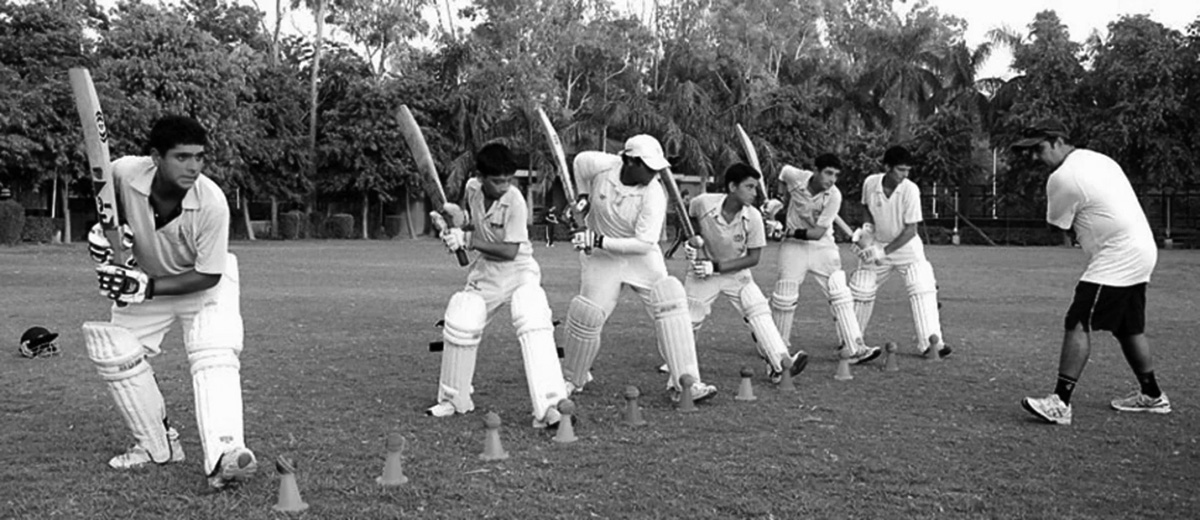
To become a successful cricketer, it’s essential to understand the different roles and responsibilities within a cricket team. A cricket team consists of 11 players, each with their unique role to play. The four primary types of cricket players are:
Batsman: A batsman is responsible for scoring runs for the team. They use a bat to hit the ball bowled by the opposing team’s bowler. Mastering various shots and having a keen eye for the ball are crucial skills for a batsman.
Bowler: A bowler is responsible for bowling the ball to the opposing team’s batsman. Their primary goal is to get the batsman out, either by hitting the stumps or forcing the batsman to make a mistake. Bowlers need to develop different types of deliveries and maintain accuracy. A spin bowler, in particular, must master the ability to deliver varied and challenging spin deliveries to outwit the batsman.
Wicketkeeper: A wicketkeeper stands behind the wickets and is responsible for catching the ball, stumping the batsman, and appealing for leg before wicket (lbw). Quick reflexes and sharp concentration are essential for a wicketkeeper.
All-rounder: An all-rounder is a player who can bat, bowl, and field. They are often considered the most valuable players in a team due to their versatility and ability to contribute in multiple areas.
Understanding these roles and responsibilities will help you determine which aspect of the game you want to specialize in and how you can contribute to your team’s success.
Learn the Basics of Cricket
Before you can start playing cricket, you need to learn the basics of the game. Here are some essential things to know:
The objective of cricket is to score runs by hitting the ball with a bat and running between the wickets.
A cricket match is divided into innings, with each team getting a chance to bat and bowl.
The team with the most runs at the end of the match wins.
A cricket team consists of 11 players, and each player has a unique role to play.
The game is played with a bat, ball, and wickets.
Learning the basics of cricket will help you understand the game better and make it easier for you to start playing. Whether you aim to become a professional cricketer or just enjoy the sport, having a solid foundation is crucial.
Developing Skills
To become a successful cricketer, you need to develop your skills in batting, bowling, and fielding. Here are some tips to help you improve your skills:
Practice regularly: The more you practice, the better you’ll become. Try to practice at least 2-3 times a week. Consistency is key to mastering any skill.
Focus on your weaknesses: Identify your weaknesses and work on improving them. For example, if you’re a batsman, work on your footwork and shot selection. If you’re a bowler, focus on your line and length.
Watch and learn from others: Watch professional cricketers play and learn from their techniques. You can also learn from your coaches and teammates. Observing and analyzing can provide valuable insights.
Stay fit and healthy: Cricket is a physically demanding sport, so it’s essential to stay fit and healthy. Make sure you eat a balanced diet and exercise regularly. Physical fitness enhances performance and reduces the risk of injuries.
Developing your skills takes time and effort, but with dedication and hard work, you can become a successful cricketer.
Practice and Improve Your Skills
Practice is essential to improve your skills in cricket. Here are some tips to help you practice effectively:
Set goals: Set specific goals for your practice sessions, such as improving your batting average or increasing your bowling speed. Having clear objectives keeps you focused and motivated.
Create a practice plan: Create a practice plan that includes a mix of batting, bowling, and fielding drills. A structured approach ensures comprehensive skill development.
Practice with a partner: Practicing with a partner can help you improve your skills faster. You can practice batting and bowling with a partner, and also work on your fielding skills. Partner practice adds a competitive edge and simulates match conditions.
Use technology: There are many apps and software available that can help you improve your cricket skills. You can use these tools to analyze your game and identify areas for improvement. Technology can provide detailed feedback and track your progress.
Practicing regularly and effectively will help you improve your skills and become a better cricketer.
Mental Preparation
Mental preparation is a cornerstone of any successful cricket career. While physical skills and technical training are vital, the ability to stay mentally strong often separates a good player from a professional cricketer. Cricket is a demanding and competitive sport, and the pressure to perform—whether in a local match or on the international stage—can be immense. Developing mental toughness, resilience, and a positive mindset is essential for anyone aspiring to become a successful cricketer.
Professional cricketers invest significant time in building their mental game. This includes learning how to stay focused during long matches, maintaining confidence after setbacks, and handling the expectations that come with representing a team or even the nation. By prioritizing mental preparation alongside physical training, you can set yourself apart and lay the foundation for a long and rewarding cricket career.
Building Focus and Confidence
For aspiring cricketers, building focus and confidence is just as important as mastering batting or bowling techniques. Practicing mindfulness and meditation can help you stay present during matches and training sessions, allowing you to concentrate fully on each ball and each play. These techniques are widely used by professional athletes to manage nerves and maintain composure under pressure.
Setting realistic, achievable goals is another powerful way to boost your confidence. Celebrate your progress—whether it’s improving your batting average or making the local cricket club’s starting eleven. Each small victory adds up, reinforcing your belief in your abilities.
Joining a local cricket club or enrolling in a cricket academy gives you the chance to play competitive matches, which is invaluable for building self-assurance. The experience of performing in front of others, learning from both wins and losses, and receiving feedback from coaches and teammates will help you grow as a cricket player and develop the mental strength needed for higher levels of the game.
Handling Pressure and Setbacks
Every successful cricketer faces pressure and setbacks at some point in their journey. Whether it’s a string of low scores, missing out on selection, or losing a crucial match, how you respond to these challenges can define your cricket career. Developing a growth mindset—where you view failures as opportunities to learn and improve—is key to bouncing back stronger.
Staying positive and resilient, even after a tough loss, is what sets apart the best in the game. Playing cricket in high-stakes domestic tournaments like the Ranji Trophy or Vijay Hazare Trophy exposes you to intense competition and pressure situations. These experiences teach you how to handle nerves, adapt to different match scenarios, and keep your focus on the bigger picture.
Remember, every professional cricketer has faced setbacks on their path to success. By embracing challenges, learning from your mistakes, and maintaining a positive attitude, you can build the mental toughness required to thrive in the demanding world of cricket.
Physical Conditioning
Cricket is a physically demanding sport that requires players to be at their peak fitness level. Whether you’re sprinting between the wickets, bowling long spells, or fielding for hours, your body needs to be strong, agile, and resilient. Physical conditioning is not just about building muscle—it’s about developing the endurance, flexibility, and overall physical fitness needed to perform consistently and avoid injuries.
A well-conditioned body allows you to train harder, recover faster, and handle the rigors of a busy cricket schedule. Professional cricketers understand the importance of physical preparation and make it a core part of their routine. If you want to become a cricketer and compete at the highest levels, investing in your physical conditioning is non-negotiable.
Fitness Training for Cricketers
A comprehensive fitness program for cricketers should include cardiovascular exercises to boost stamina, strength training to build power, and flexibility exercises to prevent injuries. On-field drills—such as sprinting, agility ladders, and fielding practice—should be complemented by off-field workouts like weight training, yoga, and core strengthening.
Working with a qualified coach or joining a professional cricket academy can give you access to specialized fitness training tailored to your needs and goals. Many of the best cricket academies in India offer structured conditioning programs, helping players develop the physical attributes required for professional cricket.
At the highest level, the Indian national team and IPL teams employ dedicated fitness coaches who design personalized training regimens for each player. These programs focus on building endurance, increasing speed, and enhancing overall athleticism—qualities that are essential for success in modern cricket. By prioritizing your physical fitness, you not only improve your performance on the field but also reduce the risk of injuries, ensuring a longer and more successful cricket career.
Joining a Cricket Team or Academy
Joining a cricket team or academy can help you improve your skills and take your game to the next level. Participating in a team sport like cricket helps you develop important teamwork and collaboration skills, which are essential for advancing in sports and professional training. Here are some benefits of joining a cricket team or academy:
Professional coaching: Cricket teams and academies have professional coaches who can help you improve your skills and provide you with personalized feedback. Expert guidance is invaluable in honing your abilities.
Better facilities: Cricket teams and academies have better facilities, such as pitches, nets, and equipment, which can help you practice more effectively. Quality facilities enhance the training experience.
Competition: Joining a cricket team or academy can provide you with opportunities to compete against other teams and players, which can help you improve your skills and gain experience. Competitive matches are crucial for growth and learning.
Networking: Joining a cricket team or academy can help you network with other players, coaches, and officials, which can be beneficial for your cricket career. Building connections can open doors to new opportunities.
By joining a cricket team or academy, you can receive the support and resources needed to excel in your cricket career.
Some FAQs on becoming a cricketer
In this section, we have tried answering most of the common questions that people usually ask.
4.1 How do I start a cricket career?
To start a cricket career, you should begin by joining a local cricket club or academy, where you can receive coaching and participate in matches. People can start cricket at various ages, even if they are 12 or older, as long as they are dedicated and receive proper training. Beginners are encouraged to learn cricket by joining teams, clubs, or academies to develop their skills and understanding of the game.
4.2 What qualifications do you need to be a cricketer?
There are no formal educational qualifications required to become a cricketer. However, there are a few certification courses available for those interested in structured cricket education, which can help improve your understanding of the game and coaching techniques.
4.3 Can I become a cricketer after 12th?
Yes, you can pursue a cricket career after completing your 12th grade. Many players continue their education while training and playing cricket.
4.4 Can I become a cricketer at the age of 18?
Yes, you can become a cricketer at the age of 18. Players with experience in domestic or international cricket can be selected for teams even at a young age, as long as they demonstrate talent and commitment.
4.5 How do I start playing cricket professionally?
To play cricket professionally, you need to participate in local tournaments, perform well, and get noticed by selectors. Consistent performance can lead to selection in higher-level teams.
4.6 What to do if I want to become a cricketer?
If you want to become a cricketer, focus on regular practice, fitness, and participating in competitive matches. The competition for national or IPL teams is extremely high, so it's important to have a backup plan, such as continuing your education. To join Indian cricket team, you typically need to progress through district, state, and national level selections, performing well at each stage.
4.7 How do I get selected for the Indian cricket team?
To get selected for the Indian cricket team, you must perform exceptionally well in domestic tournaments and age-group competitions. Consistent performance and dedication are key factors. The process to join Indian cricket team involves moving up through club, district, state, and national levels.
4.8 What is a cricket player's salary?
A cricket player's salary depends on the level at which they play. Domestic players earn less compared to international cricketers. Cricketers also earn match fees for each game played, both at domestic and international levels. Additionally, a player's earnings can vary significantly based on their skill level and experience.
4.9 Is becoming a cricketer hard?
Bilkul hai Bhai per Dhoni and Sachin bhi yeh sochte to humein acche cricketer Kahan milte (definitely), Becoming a cricketer is extremely difficult because of the competition in this field. Professional cricket is a demanding and competitive sport that requires individuals to reach a high level of skill. It takes a lot of hard work, commitment, and sacrifices to become a successful cricketer. It’s considerably more difficult if you were born in India. Cricket is a religion in India, with fans obsessing over the team and its members. If you win, people treat you like a god; things get a bit difficult for you if you don’t. So, choose your cricket bat and start practicing.
5.0 How many years does it take to become a cricketer?
Nobody has an exact answer to this question; most professionals will tell you it takes years and years of hard work to become a cricketer. You will find that players start working at a very early age and continue doing that for the next many years, even after becoming a professional cricketer. Just take the example of Virat Kohli; he started his journey even before when he was 10 years old. His father enrolled him in a cricket academy at a very early age, and by the time he was 18, he had already become a sensation among the younger players. So, it took Virat about 8-9 years of hard work to become a part of the Under-19 team and 11-12 years to make it to the India national cricket team. This dedication and continuous effort are essential attributes of a successful cricket player.
5.1 Is cricket a risky career?
Cricket has its own risk, just like any other career. For example, you might not get selected for higher levels even after performing good in matches. The same has happened with Wassim Jaffer, he used to score tons and tons of runs in the domestic tournaments, but he never got that many chances for the Indian national team. The Ranji Trophy, being one of the most prestigious domestic tournaments, often serves as a crucial platform for cricketers to showcase their talent and aim for national selection. So, there will be instances when it will be difficult for you to understand where you are going wrong.
Also Read: Getting ready to play cricket?
Conclusion
We hope this piece answers most of your questions about "How to become a cricketer." From our experience, we could say that becoming a professional cricketer is not easy, but there is nothing as easy. You have to follow an inevitable process starting with analyzing yourself, finding a good cricket academy and coach, among other things. Alongside practicing daily, you need to discuss your strengths and weaknesses with your coach to strengthen yourself as a young cricketer either as an all rounder, batsman, bowler, or wicketkeeper. Eat Cricket, Drink Cricket, Play Cricket.
Last but not least, after making a career in cricket either in national team or international team and becoming a professional cricketer by playing test match, test series or 20-20, don't forget us :)

Viswanath M
Meet the maestro behind the cricketing quill – a wordsmith whose ink flows with the rhythm of a perfectly timed cover drive. When the cricket ball rests, my pen takes the spotlight, transforming every match, every player, into a poetic symphony of leather against willow. With a laptop as my crease and words as my bouncers, I bowl over readers with stories that swing and spin.
Related Products
-25%

₹490 ₹369
-20%

₹470 ₹375
-21%

₹305 ₹240
-26%

Comments: 2
सर क्रिकेटर बन्ना मेरा सपना है, मैं भी क्रिकेटर बन्ना चाहता हूं मेरा नाम जगदीश सोनी है
Sir me cricket bnna chahta hu par meri family bahut medical se hai
Leave a Reply
Your email address cannot be published. Required fields are marked*
Latest Articles from Blog
07.09.2026
23.08.2026