

Loading cart...
 My Account
 Track Order
 Sports Guide
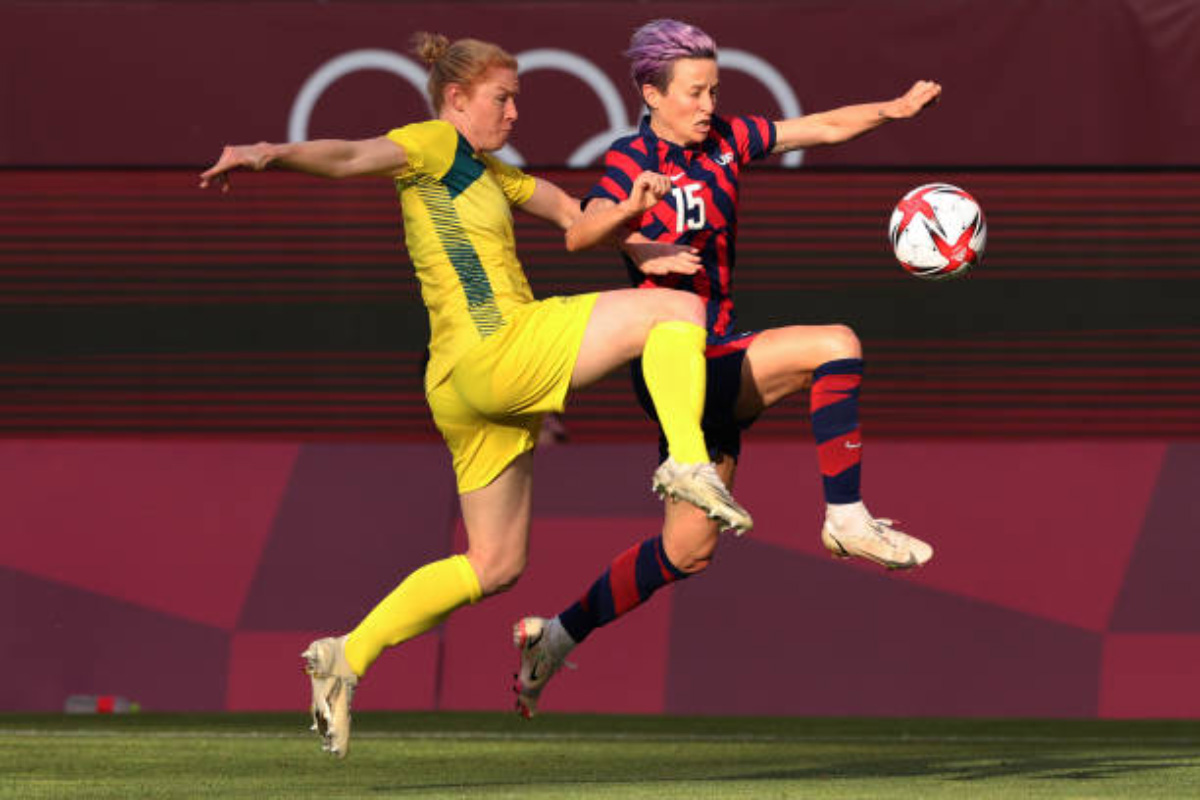
For years, women have been shouldering their way through mass restrictions, fighting for the right to step onto football pitches and play equally with men. Although much is still to be done, they’re closer than ever to their goal. Read on to learn all about the rise of the women’s game.
Introduction
The 2023 FIFA findings unequivocally attest to the growth of women’s soccer: over the past 4 years, the number of female footballers has increased by 24% to 16.6 million. Of those, nearly 4 million are registered players, and over 19 thousand are professionals.How has this become possible? The exhaustive answer is below. This article explains how the game has risen to prominence, the roadblocks it has faced, and the imprint it has left. The topics covered are the sport’s history, hardships, growth, prospects, and more.
Interest in female football among bettors has picked up in sync with the game’s strides. Today, women’s matches are must-haves at top betting websites. The India site is the nation’s prime supplier of male and female football games for pre-match and in-play wagering.
A Brief History of Women’s Football
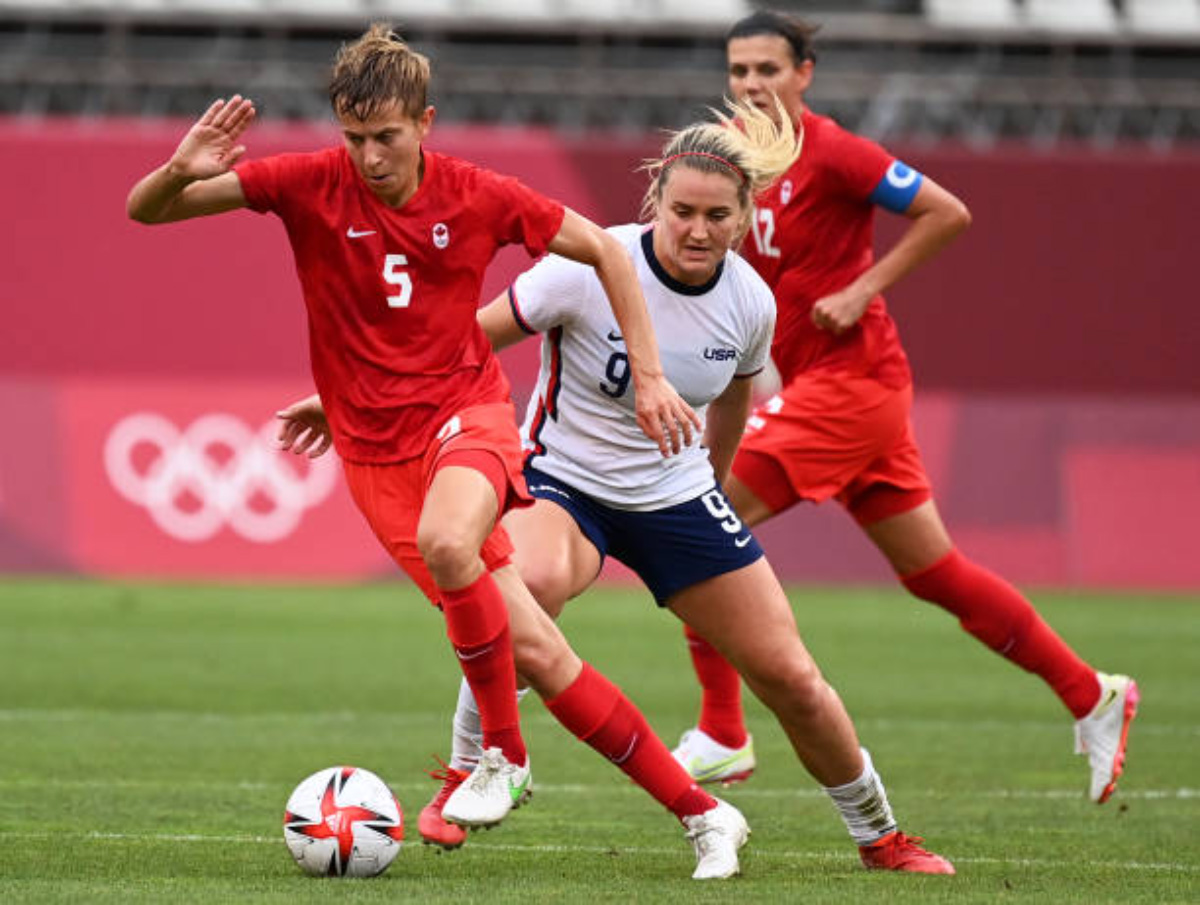
Home to the game itself, Great Britain is unsurprisingly the birthplace of women’s football. The first recorded meeting between female sides dates back to 1881, and the first club originated in 1895. The pioneering British Ladies’ Football Club was initiated by women’s rights proponents.
World War I reshaped the football landscape, sending men to the battlefields and bringing women to factories and playing fields. Events featuring female footballers drew tens of thousands of spectators and were frequently better attended than men’s matchups.
The rosy picture and bright prospects of the sport were dashed in 1921 when the Football Association banned ladies from the game in England. The British ban sparked similar prohibitions worldwide and forced female players to stay out of the public eye.

Things started to change in the late 1960s, in sports and the public mind alike. As a result, the FA lifted the ban in 1970, and from that moment on, women’s soccer has gained momentum. The following are a few events that played an instrumental role in making the game’s history:
- In 1970, the Women’s World Cup was held in Italy, with 7 teams participating.
- In 1988, the first professional women’s national league was formed in Sweden.
- In 1991, the FIFA Women’s World Cup competition was inaugurated in China.
- In 1996, the women’s football tournament was included in the Olympic program.
- In 2001, the UEFA Women’s Champions League uniting top clubs was founded.
Breaking Barriers: Challenges Faced by Women in Football
Even though the ban on female soccer was eventually removed, it took the FA almost 90 years to apologize. It’s sad but emblematic of the overall attitude toward girls and women in football, even nowadays. Female footballers have to overcome multiple barriers worldwide.
The Global Rise of Women’s Football
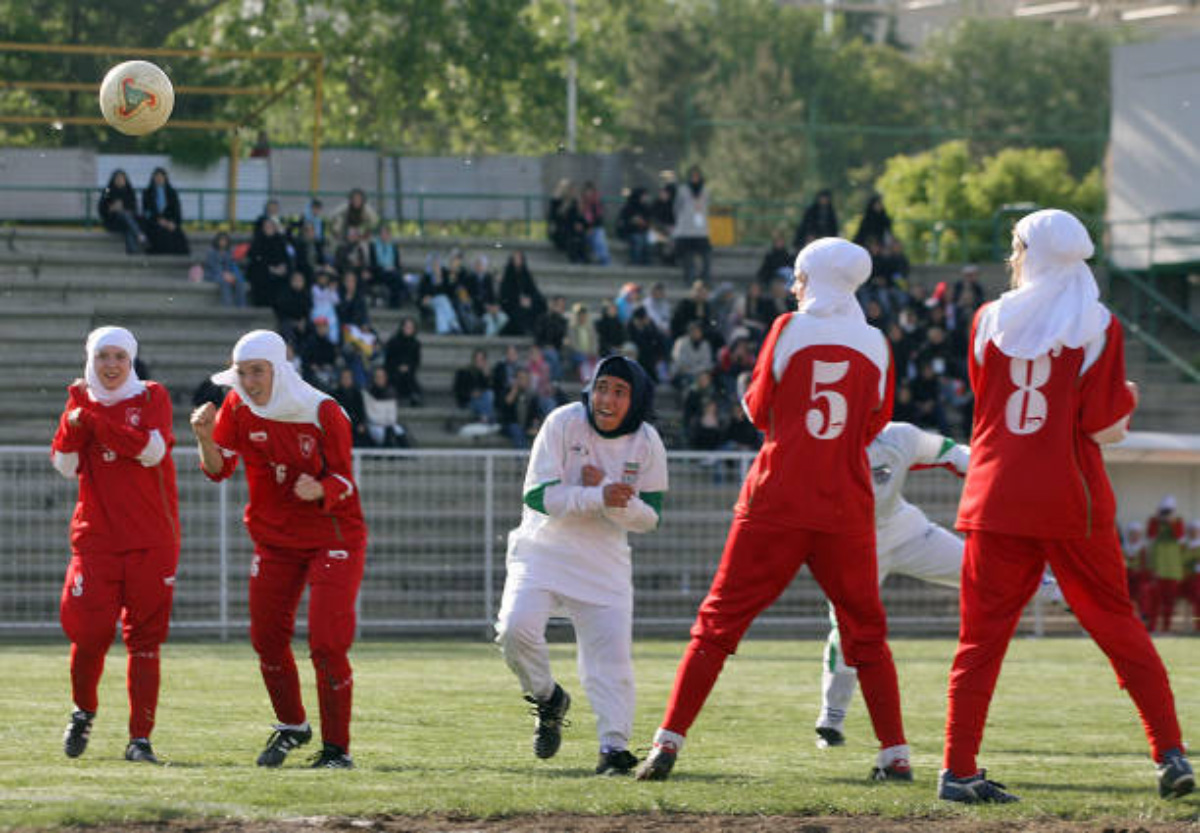
Misogyny and discrimination are among the hurdles that have long kept women away from the game, especially in traditionalist regions with strict cultural and religious norms. For instance, it was not until 2021 that Saudi Arabia and Sudan established their national female soccer teams.
Financial barriers in women’s football are also hard to break. For a long time, there wasn’t even a slight sign of equality in investment and pay compared to men. Female clubs have always been badly financed, equipped, and supported institutionally and poorly covered by the media.
The long-standing battle for equal pay in football is not without progress. Thus, the UEFA has increased funding for the female sport by 50%. And the notorious lawsuit by the U.S. women’s national soccer team resulted in a multimillion-dollar compensation award to the players.
The Global Rise of Women’s Football
The emergence of clubs, leagues, and competitions worldwide at the start of the twenty-first century demonstrates a genuine rediscovery of women's football. The boom has never thought to subside, which we’ve already proven above with the FIFA findings.
The rip-roaring FIFA and UEFA championships of the late 1990s and early 2000s contributed greatly to the popularity and proliferation of the female sport. The events paved the way for scores of local competitions and domestic leagues, including the following:
- The A-League Women in Australia.
- The Women’s Super League (WSL) in England.
- The National Women’s Soccer League (NWSL) in the U.S.
- The Chinese Women’s Super League (CWSL) in China.
- The Indian Women’s League in India.
- The Liga BBVA MX Femenil in Mexico.
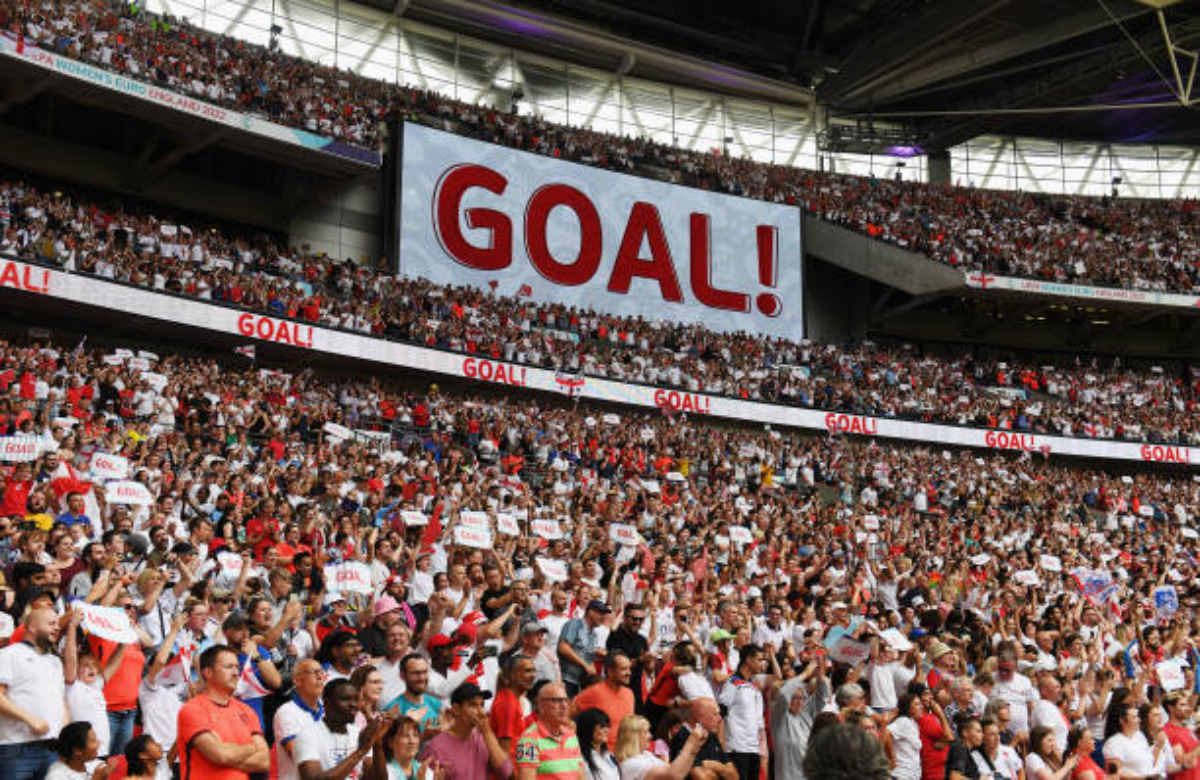
Female soccer attendance, along with broadcasting, has recently surged, serving as a magnet for investors and empowerment for girls and women to engage in the sport at both grassroots and professional levels. The number of female football clubs globally is now close to 56,000.
In the United States, where the game has thrived for over a decade, registered female players exceed 1.7 million. England, Mexico, and Brazil are among the leaders in participation growth, with 2,720%, 2,900%, and 5,500% growth factors since 2019, respectively.

Building a Legacy: Key Players and Pioneers
It’s self-evident that modern women’s football owes its laurels to trailblazers. Everything the sport boasts now, such as millions of players performing in numerous leagues worldwide, is thanks to revolutionary female footballers and their arduous feats of courage and resilience.
More than a century ago, the likes of Nettie Honeyball, Alice Kell, and Lily Parr spearheaded the inclusion of women in the male-dominated game and trod the thorny path for younger generations. Needless to say, their advocacy for equality extended beyond the realm of sports.
Years later, marquee players like Mia Hamm, Birgit Prinz, Abby Wambach, Marta Vieira da Silva, Megan Rapinoe, and Sam Kerr preserved and enhanced the legacy. They continued inspiring young girls and advocating gender and social equality on and off the pitch.
Of course, it wasn’t just the players building the female football legacy. A legion of committed coaches, managers, and referees advanced the sport together. Some of the most influential figures include coach Maymol Rocky, manager Shelley Kerr, and referee Bibiana Steinhaus.
The Role of Media and Sponsorship in Women’s Football
Historically, media coverage of women’s soccer has always trailed the male counterpart. In the early days, female competitions were exotic and rarely broadcast to a wide audience. As the sport began to evoke greater public interest, the international media reacted accordingly.
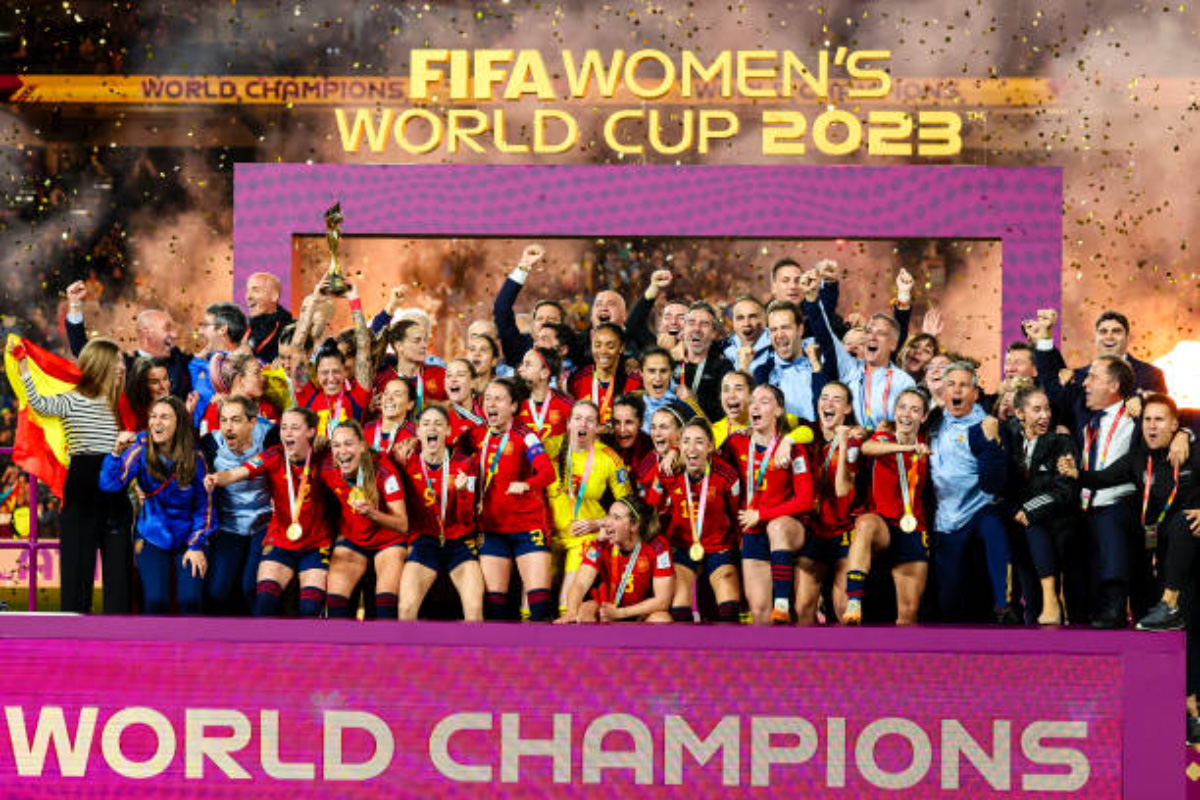
The momentous FIFA Women’s World Cup hosted by France in 2019 broke the viewership record, with over one billion people watching the tournament all over the globe. The event’s 2023 edition racked up more than 3 billion views on FIFA’s digital platforms and social media.
In addition to selling broadcast rights, women’s football has become significantly commercialized through extensive sponsorship deals and partnerships with big-name brands. In 2023, 34% of top-division female soccer events held domestically had a dedicated sponsor.
After supporting the FIFA men’s events for years, Visa finally turned its attention to the female game and became a partner of the 2023 Women’s World Cup. The world-renowned brands Unilever and Adidas joined the digital payment behemoth to sponsor the competition.
Conclusion
The tremendous growth in participation and jam-packed stands prove that women’s football is on a roll. Despite the still pressing problems of bias and unequal pay, female footballers are showcasing awe-inspiring tenacity and becoming increasingly attractive to investors.

Rakshanda Rastogi
Meet the curvy wordsmith with a passion for hoops and a love for curves! I'm your writer which writes on General sports topic, basketball and boxing. I bring a dash of sass and a whole lot of bounce to the court. From triple-threat moves to triple scoops of ice cream, I'm here to celebrate the joy of the game and the joy of curves. Let's dribble through life and slam-dunk stereotypes together.
Leave a Reply
Your email address cannot be published. Required fields are marked*
Latest Articles from Blog
No comments