
Loading cart...
 My Account
 Track Order
 Sports Guide
Badminton is a physically demanding sport that requires quick movements and agility. With constant jumping, running, and lunging, it's crucial to have the right gear, especially shoes. Flat feet can make playing badminton even more challenging, as they put extra strain on the feet and legs. That's why finding the right pair of badminton shoes for flat feet is so important — and understanding your condition fully is the first step.
Understanding Flat Feet
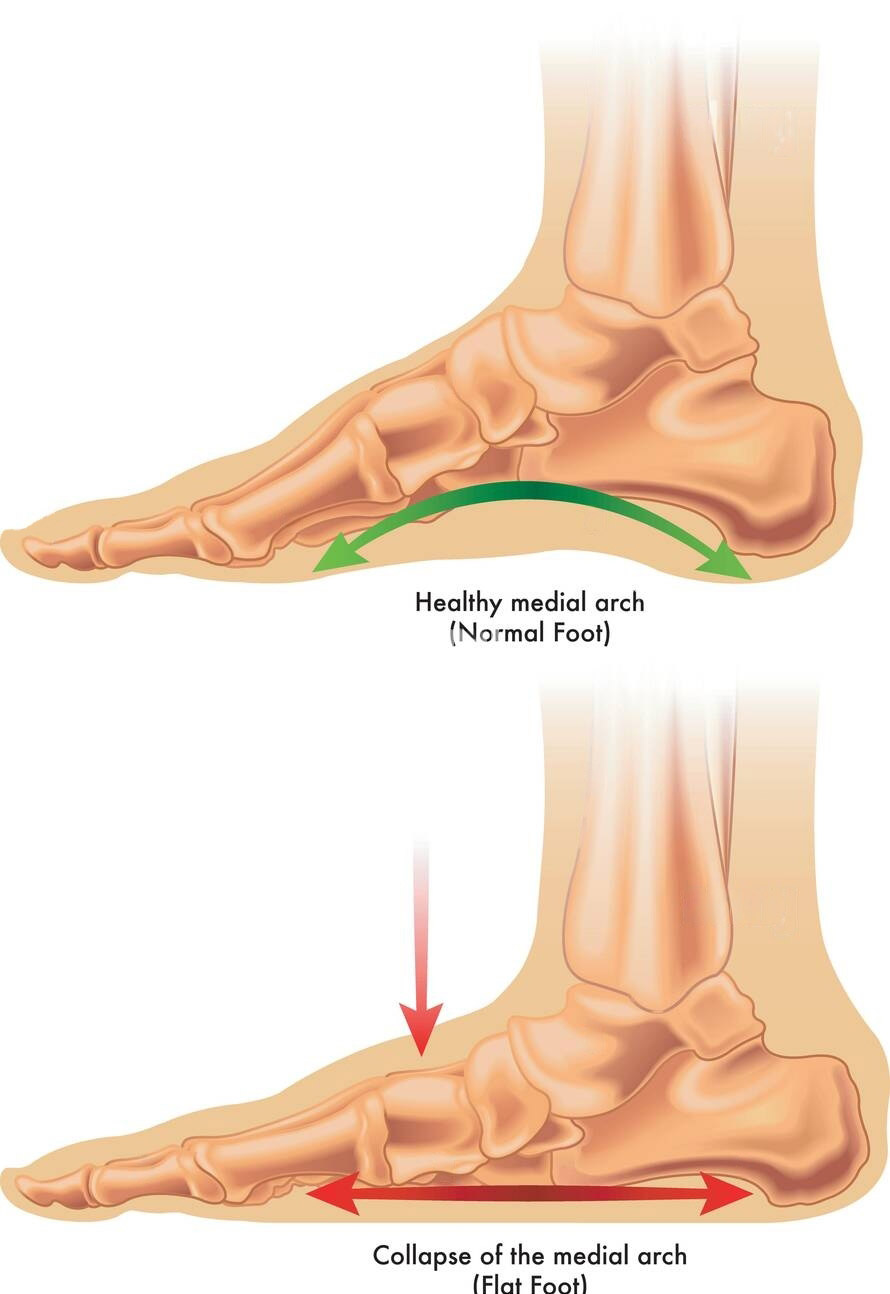
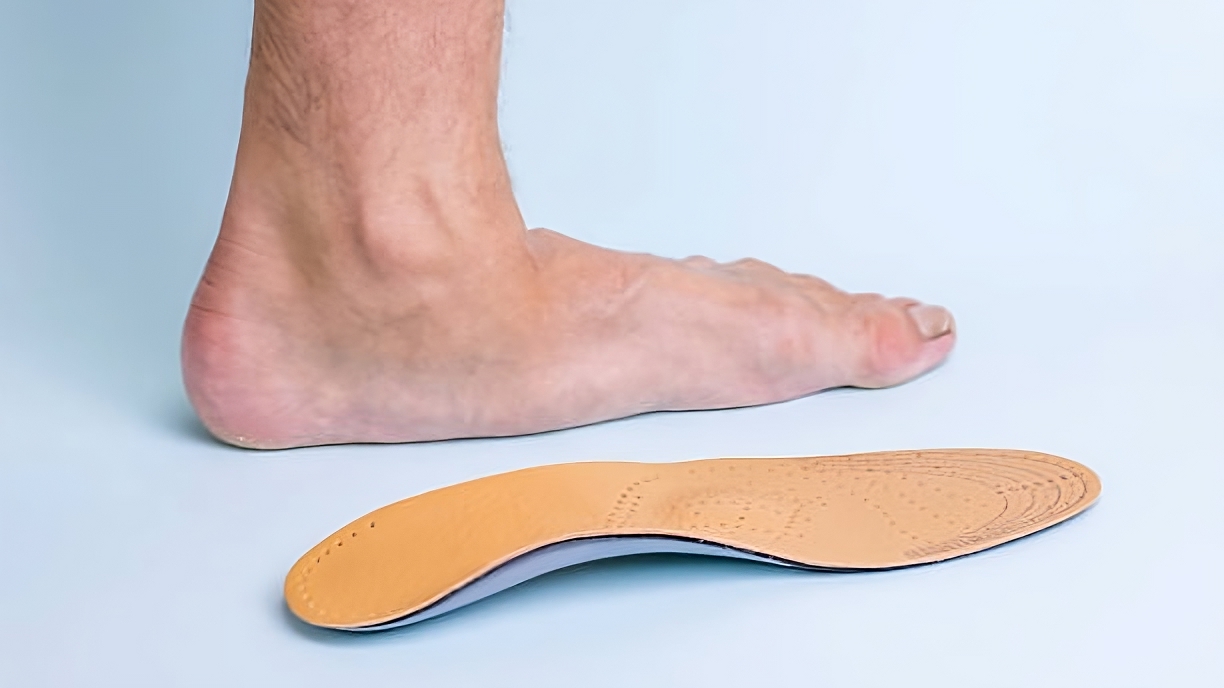
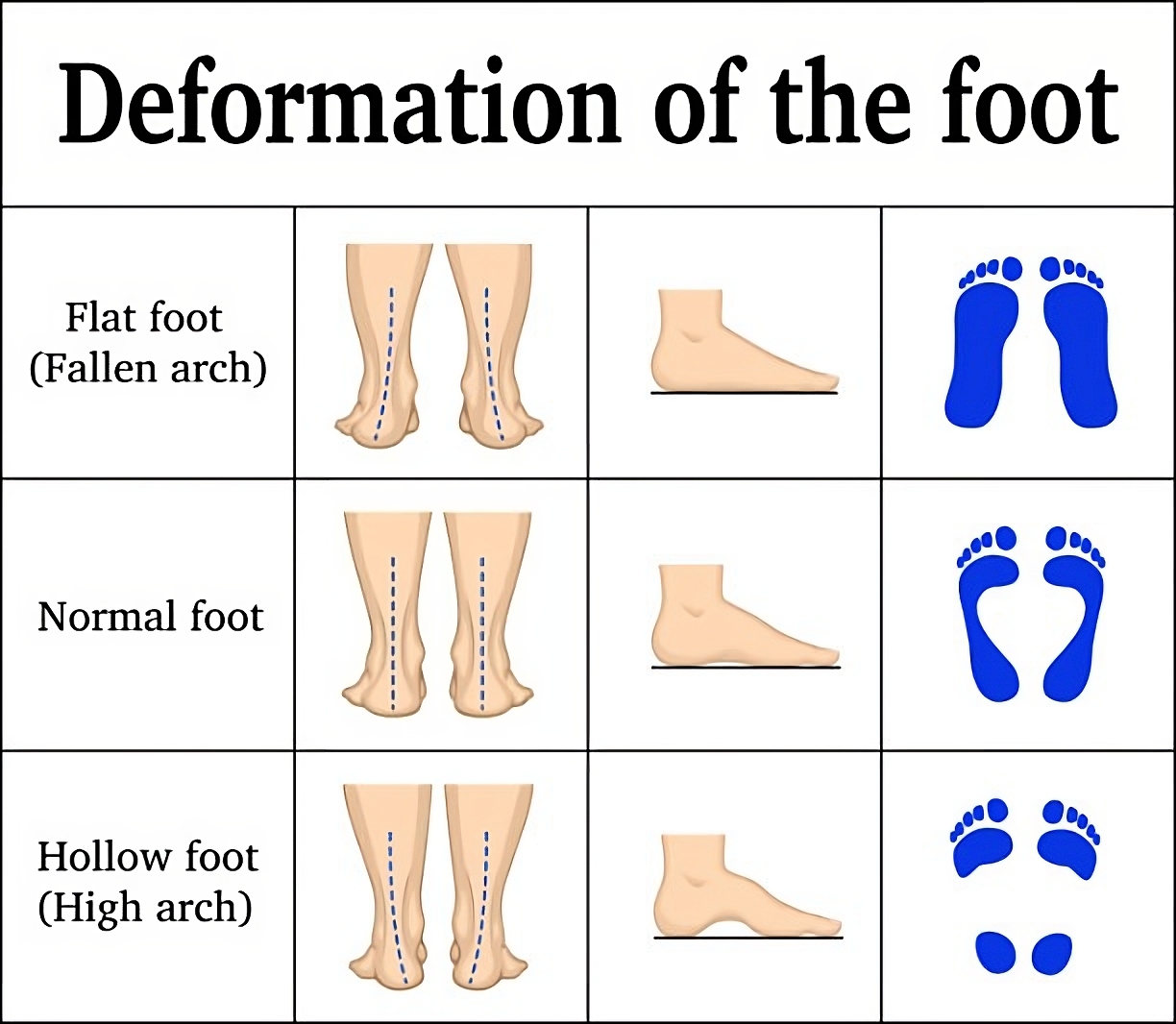
Flat feet, also known as fallen arches, are a common condition that affects many people. It occurs when the arches on the inside of the feet are low or completely absent, which can cause several issues, including pain, instability and fatigue, especially when playing high-impact sports like badminton.
What Causes Flat Feet?
There are some factors that can contribute to the development of flat feet, including:
- Genetics: Some people are born with flat feet, while others develop the condition later in life.
- Age: As we get older, our feet tend to lose some of their natural arch, which can lead to flat feet.
- Obesity: Excess weight puts extra strain on the feet, which can lead to flat feet over time.
- Overuse injuries: Engaging in activities that place a lot of stress on the feet, such as running, can lead to overuse injuries that cause flat feet.
Symptoms of Flat Feet
Flat feet can cause several symptoms, including:
- Pain in the feet, ankles, or knees
- Foot fatigue or swelling after standing or walking for long periods of time
- Difficulty standing on the tips of your toes
- An impression or flattening of the arch when you stand
- An inward rolling of the foot when you walk
- Heel pain on first steps in the morning — a sharp pain when you first get out of bed is often an early sign that flat feet have led to plantar fasciitis, especially common in badminton players who train frequently
- Uneven shoe wear — check the soles of your badminton shoes; if the inner heel area wears out significantly faster than the rest, your foot is overpronating, which is the mechanical pattern of flat feet
If you experience any of these symptoms, it's important to see a doctor to get a proper diagnosis.
Are Flat Feet an Advantage in Sports?
Experts disagree about the effect of flat feet on athletic performance, as some studies suggest flat feet can have both positive and negative effects. Flat feet can provide a larger surface area on the sole of the foot, which can aid in stability, balance, and traction. This can be advantageous in sports requiring a stable foundation, such as gymnastics, wrestling, and weightlifting.
Flat feet, on the other hand, can increase the risk of injury and reduce performance in other sports such as running, jumping, and pivoting. This is because flat feet can lead to overpronation, where the foot rolls inward excessively during impact, which can strain the ankle, knee, and lower leg muscles. This can result in conditions such as plantar fasciitis, shin splints, and other lower leg injuries.
In general, the impact of flat feet on athletic performance depends on the individual and the specific sport they participate in. An evaluation by a doctor or physical therapist can help determine the best course of action for athletes with flat feet, including the use of orthotics, foot insoles, heel support or other supportive devices to help prevent injury and improve performance.
It is worth noting that flat feet have not stopped elite players from reaching the top of the game. Two-time World Champion Han Jian is widely reported to have flat feet — proof that with the right approach, this condition can be managed successfully even at the highest competitive level.
Why Flat Feet are Disqualifying Factors in the Military
The military has strict physical fitness requirements, including high levels of physical activity and endurance. Flat feet can make it difficult to meet these requirements, increasing the risk of pain and injury.
Flat feet can affect a person's ability to perform physically demanding tasks, such as marching, running, and carrying heavy loads. Additionally, flat feet can lead to instability and reduced mobility, making it difficult to perform the tasks required in military operations.
Due to the impact flat feet have on physical performance, the military has deemed them a disqualifying factor for enlistment and service. This is to ensure that military personnel are physically capable of performing their duties and meeting the physical demands of military service.
What to Look for in Badminton Shoes for Flat Feet
When shopping for badminton shoes for flat feet, it's important to consider the following:
- Arch support: Look for shoes with built-in arch support or that allow you to add custom orthotics. More specifically, check whether the shoe has a medial post — a denser section of foam on the inner side of the midsole — or a shank plate, which is a rigid insert running through the midfoot that resists excessive bending. These are the engineering features behind real arch support. Brands often describe this as "torsional rigidity" or "midfoot stability" in their product descriptions.
- Cushioning: Opt for shoes with extra cushioning in the sole to reduce impact and provide comfort. For flat feet specifically, look for a firm midsole rather than an ultra-soft one — very soft foam compresses too easily, which can accelerate inward rolling. Yonex Power Cushion technology is a good example of the right balance: impact absorption with enough structure to keep the foot stable.
- Deep heel cup: A shoe with a deep, well-structured heel counter keeps the ankle in a neutral position during the explosive lunge-and-recover movements of badminton. Shallow heel counters allow the foot to tilt inward from the very first ground contact.
- Fit: Make sure the shoes fit properly and don't pinch or rub. Try on shoes at the end of the day, when your feet are at their largest, to ensure a proper fit.
- Wide Badminton Shoes: Wearing wide badminton shoes can help provide additional support and comfort for individuals with flat feet. The added width can help accommodate the foot and reduce pressure on the arches, thereby alleviating pain and discomfort associated with flat feet. If you are between sizes, going half a size up is generally better than going down.
Read — Right Pair of Shoes for your Child
Best Badminton Shoes with Arch Support for Flat Feet (2026)
No badminton shoe brand labels their product as "made for flat feet" — and that is actually the honest reality. What matters is whether the shoe has the right structural features: medial support, a firm midsole, and a deep heel cup. The models below are not marketed for flat feet, but they consistently deliver the features flat-footed players genuinely need.
Yonex Power Cushion 65 Z4 (Coming in June 2026 in India)
Best Overall Good Arch StructureOne of the best all-round badminton shoes available, the 65 Z4 has a reinforced midfoot shank and a firm Power Cushion+ midsole that resists collapse under the inward pressure of overpronation. The heel counter is deep and locked. It runs slightly narrow, so if your flat feet are also wide, size up by half or consider alternatives from Victor.
Best for: Intermediate to advanced players wanting stability without sacrificing court feel.
Victor A970TDIN
Best for Wide Feet Wide Fit AvailableVictor's A-series is built on a wider last than most Yonex models, making it one of the most accommodating options for flat-footed players whose feet also spread laterally. The A970 features a visible torsion bar in the midfoot for structural stability, and the VSR midsole is firm enough to maintain its shape under load. A strong choice if Yonex feels narrow.
Best for: Players with flat and wide feet who find standard-width shoes uncomfortable.
Li-Ning Halberd Strike
Top Cushioning & StabilityThe Li-Ning Halberd Strike is built for high-level court coverage with a focus on impact absorption and midfoot support. It features Li-Ning's PROBAR LOC technology—a rigid stabilising device in the arch—which is exactly the type of medial support flat-footed players need to prevent overpronation. Combined with a firm, shock-absorbing midsole, it reduces fatigue during heavy rallies.
Best for: Players who need premium shock absorption combined with rigid arch support.
Note on insoles: Regardless of which shoe you choose, adding aftermarket arch support insoles - such as Superjockk Sports Insoles - inside your badminton shoes will meaningfully enhance support.
We highly recommend adding a pair of Superjockk Carbon Insoles. The carbon fibre plate acts exactly like a premium midfoot shank, preventing the inward rolling associated with flat feet. Many professional players with mild to moderate flat feet use exactly this combination. Check that your chosen shoe has a removable factory insole to create enough room.
Best Badminton Shoes for Plantar Fasciitis
Plantar fasciitis is one of the most common injuries that develops in badminton players with flat feet. It is an inflammation of the plantar fascia - the thick band of tissue running along the bottom of the foot from the heel to the toes. Because flat feet place the fascia under constant stretch, repetitive jumping and lunging on a hard court significantly accelerate this inflammation.
The hallmark symptom is a sharp, stabbing heel pain on your first steps out of bed in the morning. If this sounds familiar, your footwear choices become even more important.
For plantar fasciitis, prioritise the same features as flat feet, with two additional priorities:
- Heel-specific cushioning: Look for shoes with concentrated cushioning at the heel, not just general midsole softness. The Yonex Power Cushion 65 Z4 performs well here - Power Cushion technology is clustered at the heel area by design.
- Adequate heel-to-toe drop: A heel-to-toe drop of 8–12mm reduces stress on the plantar fascia compared to flatter, low-profile designs. Most badminton shoes fall in this range, but check before buying a low-profile court model.
Two practical off-court habits significantly aid recovery while continuing to play:
- Frozen bottle rolling: Roll your heel and arch over a frozen water bottle for 5–10 minutes after each training session. This reduces localised inflammation quickly and costs nothing.
- Morning stretching before first steps: Before getting out of bed, flex your foot upward and hold for 20–30 seconds. This pre-stretches the fascia before it takes your full body weight, significantly reducing that first-step pain.
If heel pain is severe or has persisted for more than three weeks, see a physiotherapist before it becomes chronic. Early-stage plantar fasciitis managed with the right shoes and habits resolves in weeks; ignored for months, it can require a long layoff from the sport.
Flat Feet Badminton Shoes for Men
The structural features needed for flat feet are the same regardless of gender. However, men's badminton shoes are generally built on a wider, firmer last — which inadvertently works in favour of flat-footed male players, since width and firmness are exactly the qualities most useful for this condition.
The Yonex Power Cushion 65 Z4, Victor A970, and Li-Ning Halberd Strike are all available in full men's sizing ranges on Sportsuncle. For women with flat feet, the Yonex SHB 65 Z Women and Victor A970 retain the midfoot shank and structural features of their men's counterparts. They are the strongest comparable options for female players dealing with flat feet or plantar fasciitis.
Why Badminton Shoes for Flat Feet are Hard to Find
One reason for the lack of badminton shoes for flat feet is the relatively low demand for such shoes. Many people with flat feet may avoid playing badminton or opt for shoes designed for other activities, such as running or hiking. As a result, badminton shoe manufacturers may not see a strong business case for producing shoes specifically designed for flat feet.
Designing shoes for flat feet can be challenging, as the condition requires varying levels of support across the foot. This can make it difficult to create a shoe that provides adequate support while still allowing for the necessary movement and agility required for badminton.
In short, no brand is making badminton shoes specifically for flat feet — not Yonex, not Asics, not any other popular brand. Some websites write articles titled "Best Flat Feet Shoes" purely for marketing and traffic — they are not solving your real problem. The honest approach is to understand which features matter for flat feet, then find badminton shoes that deliver those specific features. That is exactly what the buying guidance in this article is designed to help you do.
Simple Tests to Diagnose Flat Feet at Home
There are several simple tests you can perform at home to determine if you have flat feet:
- Wet Test: Wet your feet and step on a piece of paper or a dry towel. The print should show a distinct arch. If the print shows little to no arch, you may have flat feet.
- Foot Print Test: Take a look at the soles of your shoes. If the inside sole is significantly worn, it may indicate a flat foot.
- Toe Test: Stand with your feet together and place your hands on your hips. Then, try to lift your toes off the ground. If you are unable to do so, or if your feet roll inward, it may be a sign that you have flat feet.
Treatment Options and Shoe Customization
Recommended Treatment Options for Badminton Players
- Physical Therapy: Physical therapy can help strengthen the feet and legs, improving stability and reducing pain. This is especially important for badminton players, who need strong, stable feet to perform at their best.
- Stretching: Regular stretching can help improve flexibility and reduce pain, allowing players to move more freely on the court.
- Proper Footwear: Wearing shoes specifically designed for badminton can help provide extra support and cushioning for the feet, reducing the risk of pain and injury.
What to Avoid When Treating Flat Feet
- Ignoring the problem: Failing to seek treatment for flat feet can lead to chronic pain and an increased risk of injury.
- Wearing ill-fitting shoes: Wearing shoes that are too tight or too loose can make the condition worse, so it's important to choose shoes that fit properly and provide the right amount of support.
- Overloading on physical activity: Engaging in excessive physical activity without proper treatment and care can exacerbate the condition and make recovery more difficult.
How to Customize Your Badminton Shoes for Flat Feet
- Insert Arch Supports: If your shoes don't have built-in arch support, you can add custom orthotics to provide extra support and cushioning.
- Stretch the Shoes: If the shoes are too tight, you can stretch them to improve comfort and reduce pressure on the foot.
- Replace Insoles: If the insoles in your shoes aren't providing enough support or cushioning, you can replace them with a better option.
Exercises for Flat Feet Badminton Players
Here are a few exercises to improve foot strength and stability for badminton players with flat feet.
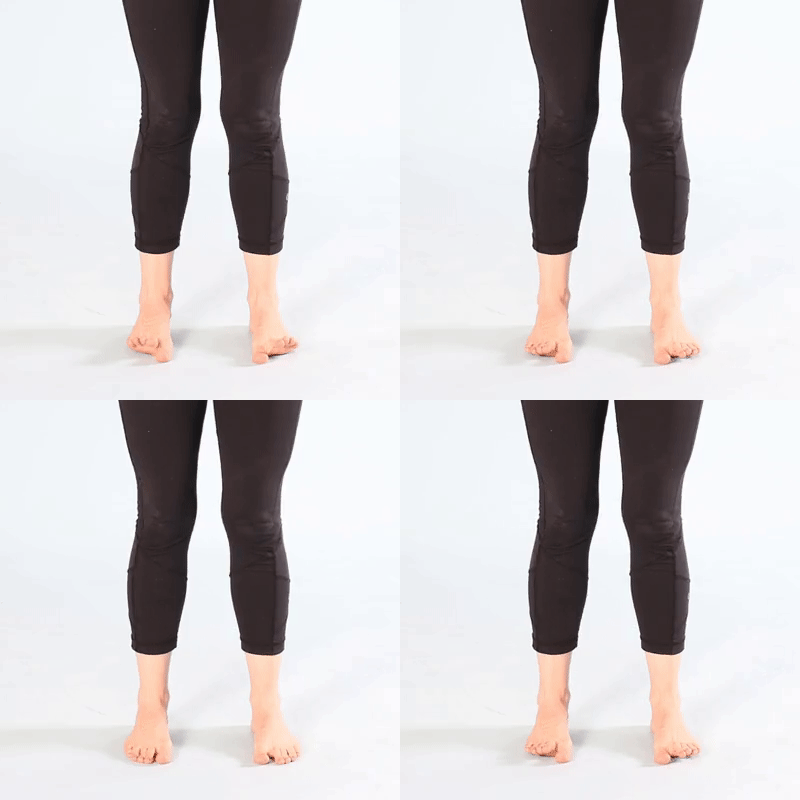
Toe Raises
Toe raises are a simple exercise that can help improve foot strength and stability. Stand with your feet shoulder-width apart and raise your toes off the ground. Hold this position for a few seconds before lowering your feet back to the ground. Repeat this exercise several times for the best results.
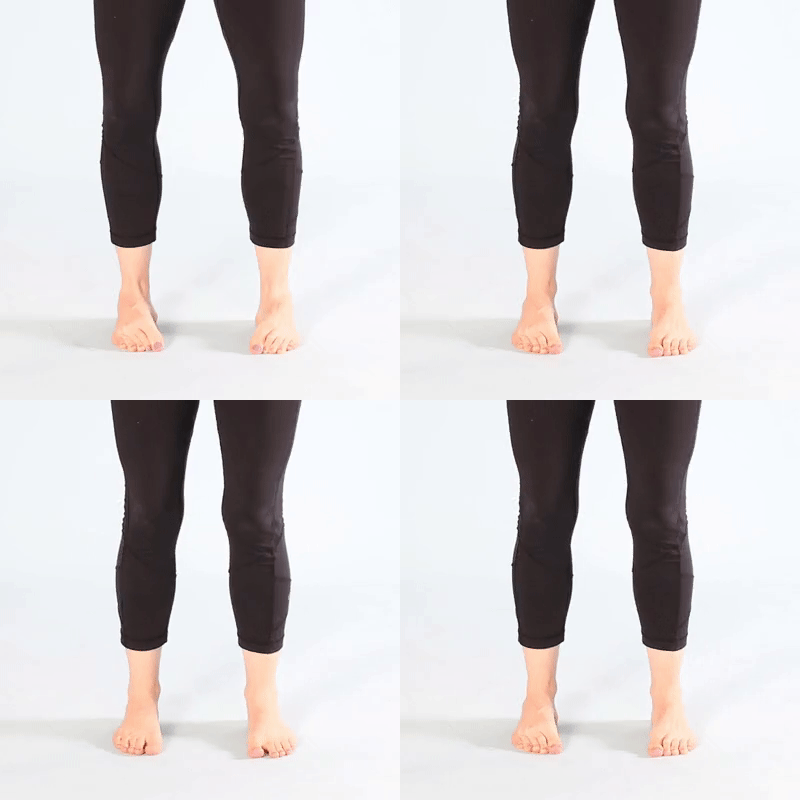
Arch Raises
Arch raises are a great way to target the muscles in the arch of your foot. Stand with your feet shoulder-width apart and raise your arch as high as you can. Hold this position for a few seconds before lowering your foot back to the ground. Repeat this exercise several times for the best results.
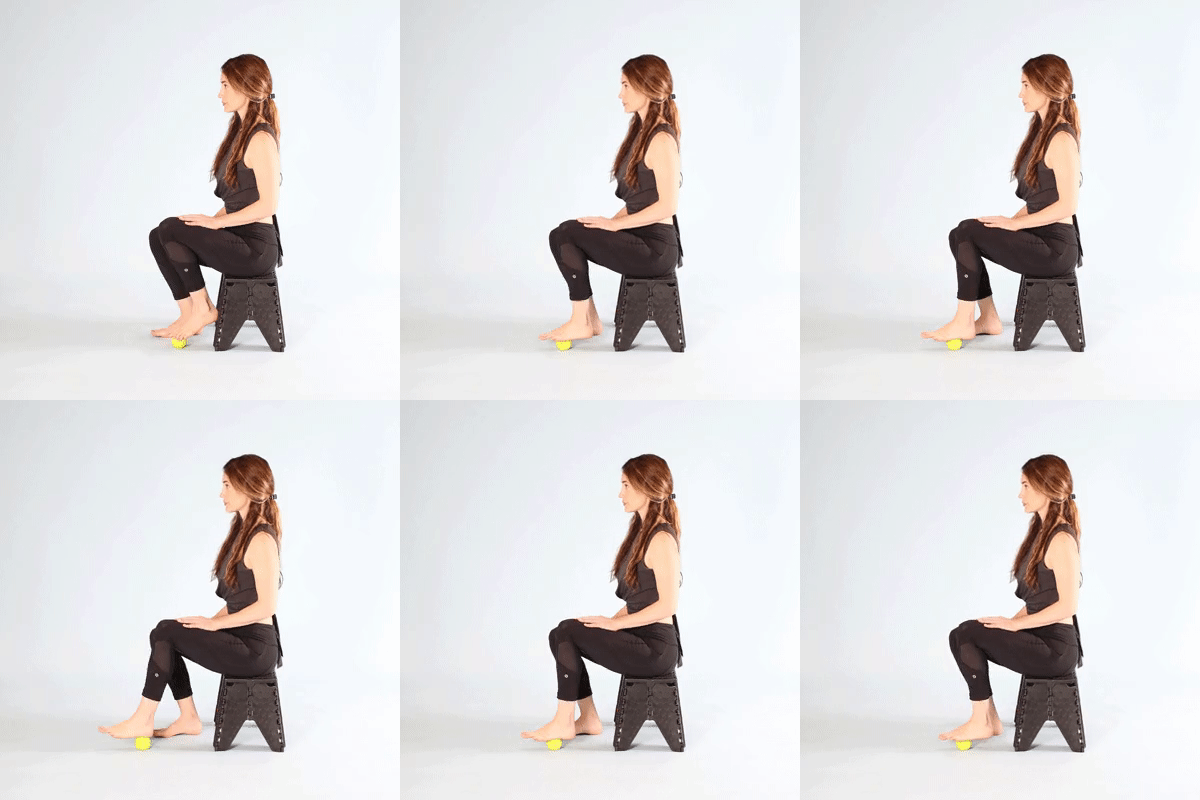
Ball Roll
Ball Roll under Foot is an exercise specifically designed to help improve the strength and flexibility of the muscles and tendons in the feet and lower legs, especially for those with flat feet. The exercise involves placing a small ball (such as a tennis ball) under the foot and rolling it back and forth to massage and stretch the foot muscles. This exercise helps to activate the foot muscles and improve the arch, reducing pain and discomfort associated with flat feet. It is important to perform this exercise regularly and under the supervision of a physiotherapist to avoid any further injury.
Towel Curl
The Towel Curl exercise is another effective exercise for those with flat feet. The exercise helps to improve the strength and flexibility of the muscles and tendons in the feet, specifically targeting the arch. The exercise is performed by placing a small towel under the foot and using the foot muscles to scrunch it up towards the body, like a curl. This exercise helps activate the foot muscles, improve the arch, and reduce pain and discomfort in the feet.
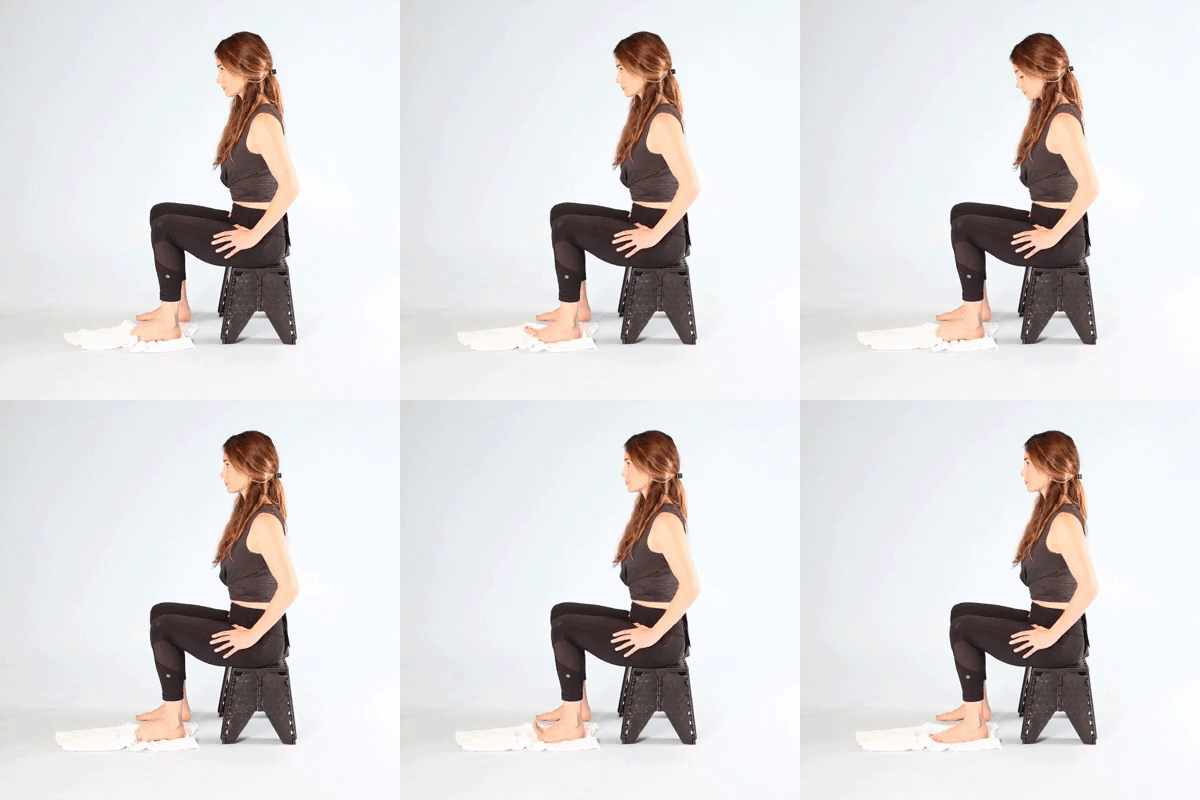
Source: Healthline
Frequently Asked Questions
Can I play badminton competitively with flat feet?
Yes. Two-time World Champion Han Jian is widely reported to have flat feet. Many competitive and national-level players have mild to moderate flat feet. The key is managing it proactively with the right shoes, insoles, and a strengthening routine rather than waiting for an injury to force action.
Is it better to use running shoes with arch support for badminton?
No. Running shoes designed for overpronation (labelled "stability" or "motion control") do address flat feet — but they are built for forward motion only. On a badminton court, their lateral stability is insufficient, and their thicker sole raises their centre of gravity and reduce court feel. Use a badminton-specific shoe and add an arch support insole if needed.
What is the difference between flat feet and plantar fasciitis?
Flat feet are a structural condition — the arch is lower than normal. Plantar fasciitis is an injury — inflammation of the tissue running along the sole of the foot. The two are closely linked because flat feet place the plantar fascia under constant tension, making plantar fasciitis significantly more likely in flat-footed players. It is possible to have one without the other, but they commonly occur together.
How often should I replace my badminton shoes if I have flat feet?
More frequently than average. The medial support and midsole foam degrade faster under the inward-rolling load pattern of flat feet. If the inner heel of your sole shows visible compression, or if foot pain returns after a period of improvement, the structural support in your shoe has likely worn out. For players training three or more times a week, expect to replace shoes every 8–10 months rather than the typical 12–14.
What insoles work best inside badminton shoes for flat feet?
Superjockk Sports Insoles and Carbon Insoles are well-regarded over-the-counter options that fit inside most badminton shoes. Avoid very soft gel insoles — they add cushioning but do not support the arch structure. Remove the factory insole first if it is thick, to avoid overcrowding the shoe and creating pressure points.
Are custom orthotics worth it for badminton players with flat feet?
For recreational players, good shoes plus aftermarket insoles are usually sufficient. For players who train seriously three or more times a week and experience recurring pain, custom orthotics prescribed by a podiatrist offer a level of precision that no off-the-shelf insole can match. They can be transferred between badminton shoes as long as the shoe has enough internal volume to accommodate them.
Does losing weight help reduce flat feet pain in badminton?
Yes, in many cases. Excess body weight directly increases the load on the arch, accelerating its collapse and worsening overpronation. Reducing body weight does not correct the structural condition, but it significantly reduces the strain placed on the foot with every step and jump, which can translate to meaningfully less pain during play.
Conclusion
Playing badminton with flat feet can be challenging, but with the right shoes, the right insoles, and a consistent foot-strengthening routine, you can reduce the risk of pain and injury significantly. By focusing on shoes with real arch support, firm cushioning, a deep heel cup and the right fit width, you can find a pair that works for your specific foot shape and helps you play your best.
An evaluation by a doctor or physical therapist can help determine the best course of action for individuals with flat feet, including recommendations for footwear, orthotics, and exercises tailored to your needs. Whether you are a beginner or an experienced player, taking the time to address flat feet properly is an investment in your long-term health and performance on the court.
Just remember: for flat feet, TREATMENT CAN HELP — but it CAN'T BE CURED. Managing it well is the goal, and with the right approach, there is no reason flat feet should hold back your badminton game.